Introduction: The Silent Powerhouses in Our Backyards
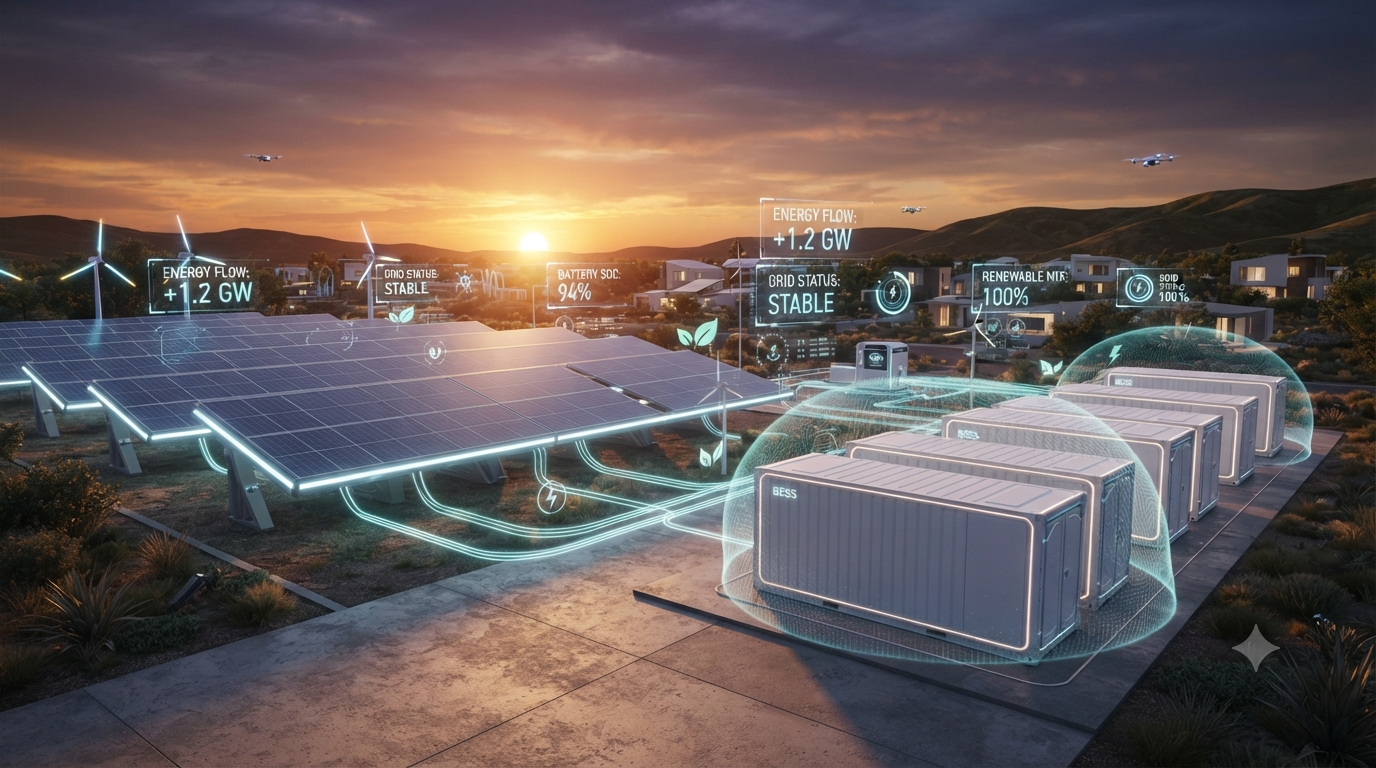
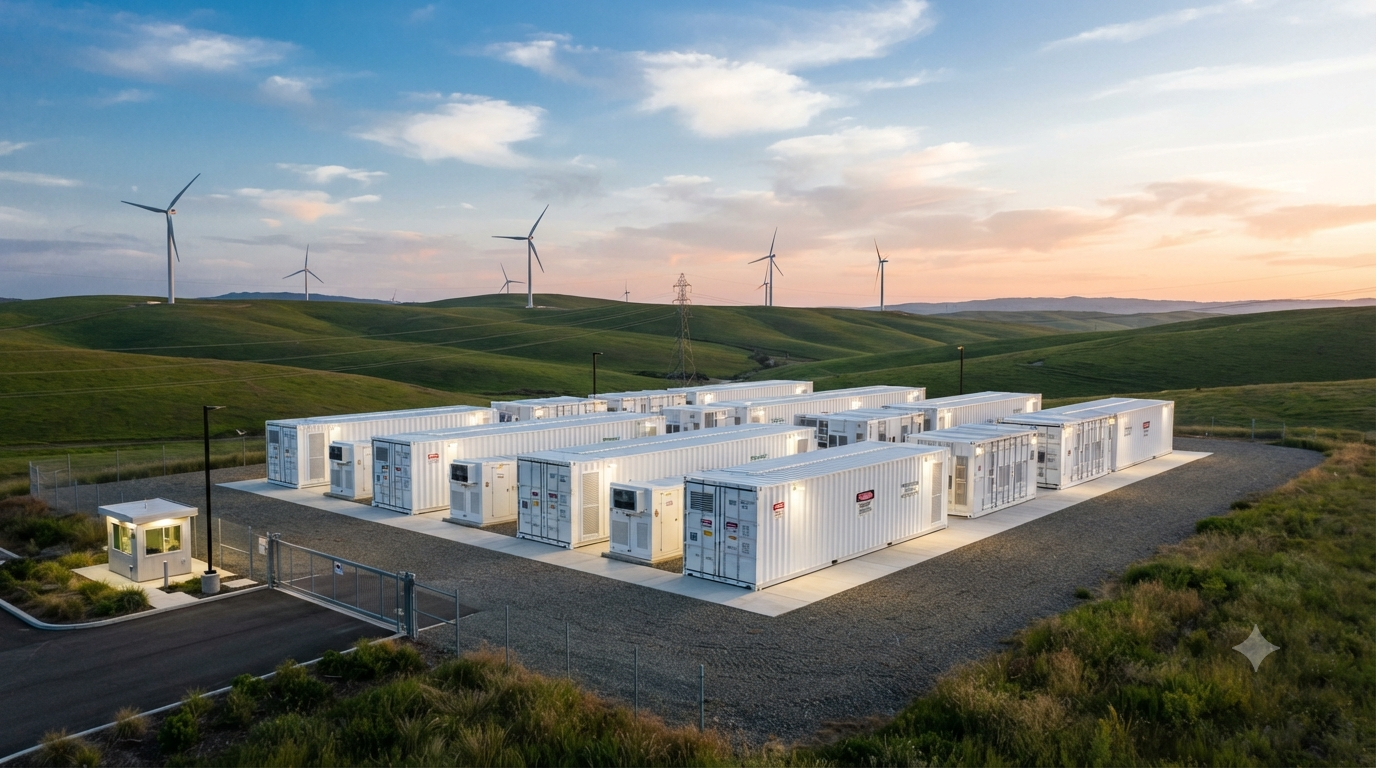
As we transition toward a renewable energy grid, massive Battery Energy Storage Systems (BESS)—like the Alcazar project in Ulster, NY , and the Starlight Solar project in San Diego County —are becoming common fixtures in our infrastructure. These silent powerhouses are essential for balancing the intermittent nature of solar and wind energy. However, for most people, these rows of white cabinets remain a mystery. While they look like simple shipping containers, the protocols governing them are anything but standard. Based on actual draft Emergency Response Plans (ERPs) and Failure Mode and Effects Analysis (FMEA) reports, the ways we manage these systems during a crisis are often counter-intuitive. To understand the future of our grid, we must first pull back the curtain on the unique safety rules designed to manage these complex chemical and electrical ecosystems.
Point 1: You Can’t Actually "Extinguish" a Lithium-Ion Battery Fire
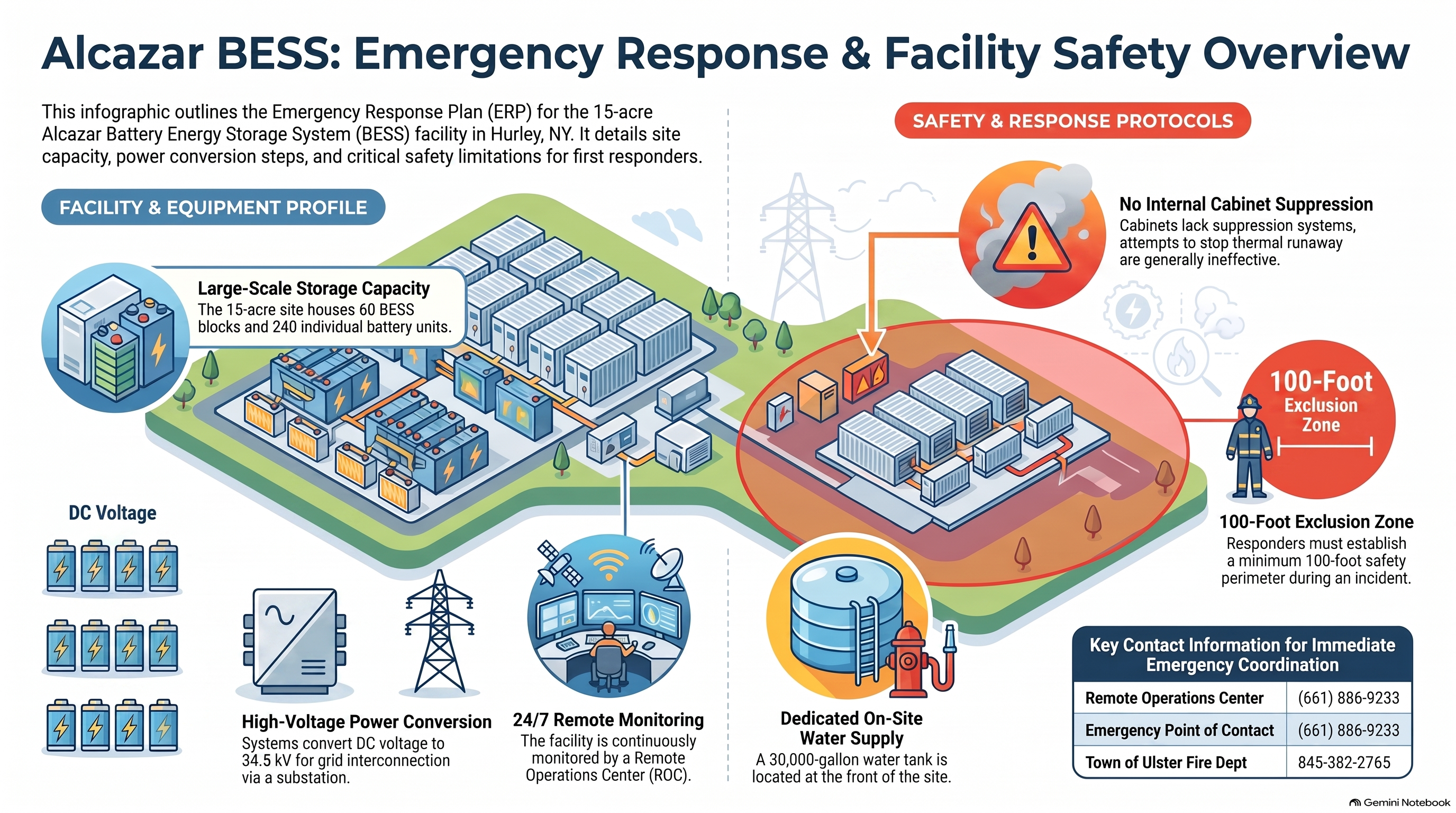
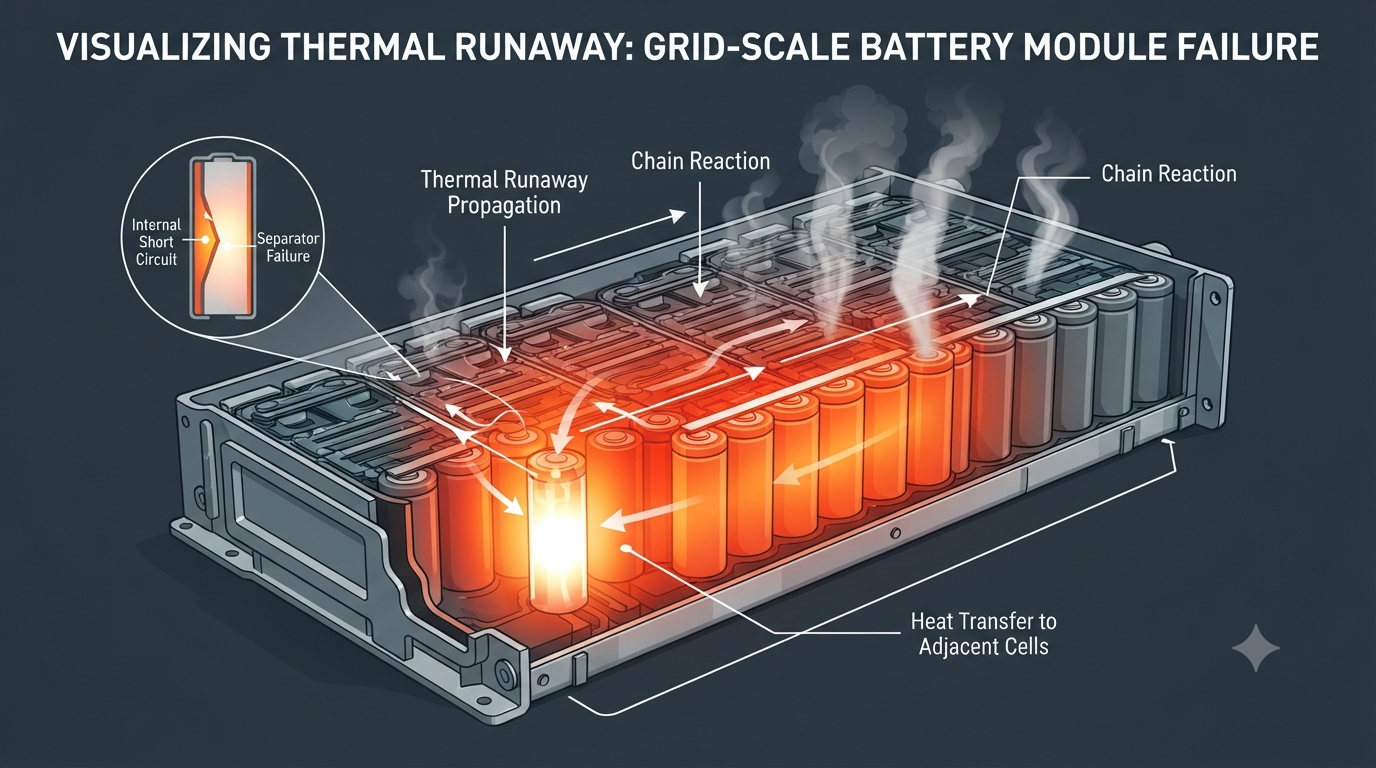
When most people see a fire, they expect responders to spray water or foam until the flames are gone. With grid-scale lithium-ion batteries, that is a fundamental misunderstanding of the physics involved. According to Section 3.2.3 of the Alcazar ERP, these units are typically not equipped with traditional internal suppression systems because typical agents often cannot stop a “thermal runaway”; event—a chemical chain reaction where a cell generates more heat than it can dissipate. ” Attempts to suppress battery fires will not stop the battery failure event.” This is a startling reality for those used to traditional firefighting. Because the fire is fueled by a chemical reaction within the battery cells themselves, the goal shifts from “putting the fire out” to managing the event until the energy is exhausted.
Point 2: The "Always On" Danger (Even When Disconnected)
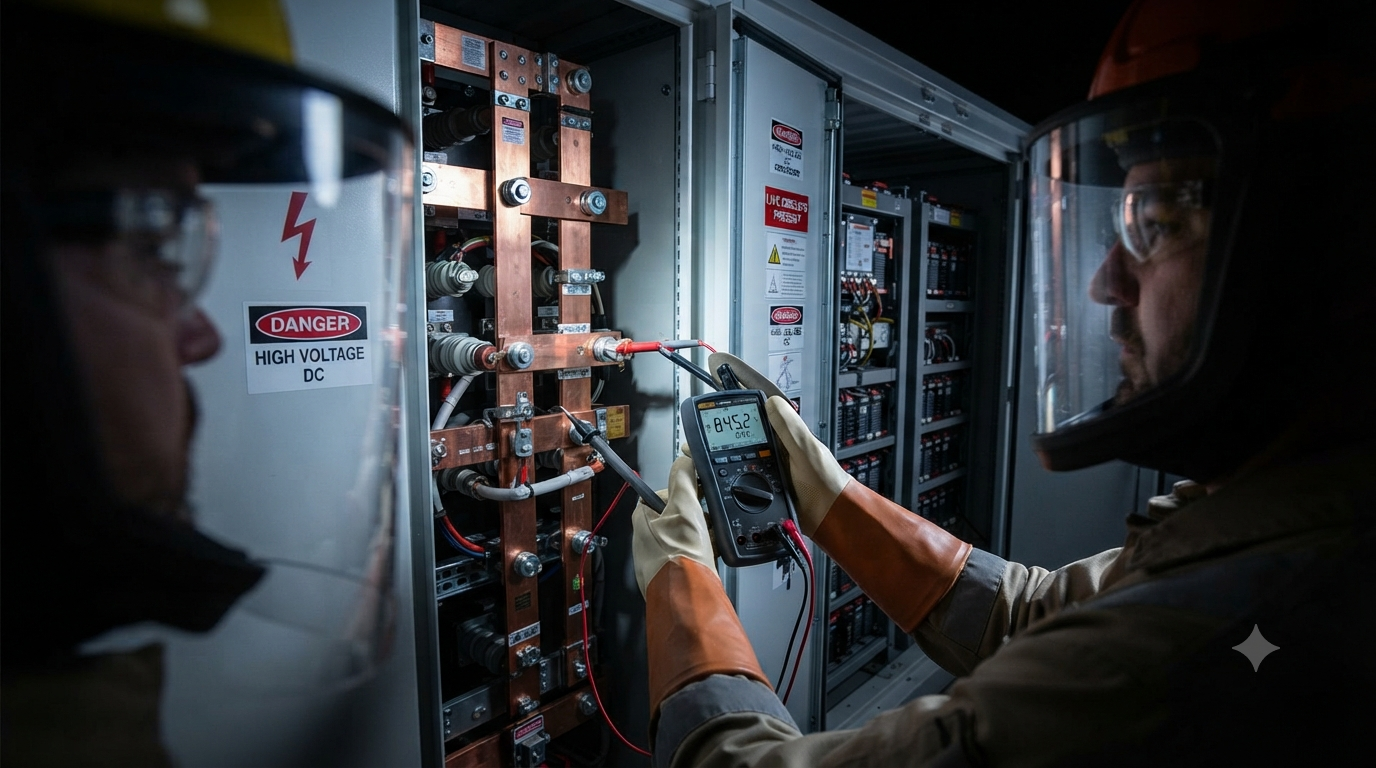
In a typical building fire, the first step is to ” cut the power.” In a BESS facility, this is impossible. As noted in Section 4.2 of the technical documentation, battery modules are inherently energized at all times . This creates a ” stranded energy” problem: even if the system is disconnected from the utility grid, the internal components remain live. This means that protective shielding is the only thing standing between a technician and high-voltage DC stray voltage. In an emergency where shielding may be damaged, technicians must treat every metal surface as potentially live until DC stray voltage testing proves otherwise. To manage this “always on” hazard, the following Safe Standoff Distances are strictly enforced:
● A minimum 10-foot clearance for equipment energized at 50,000 volts or less.
● An additional 4 inches of clearance for every 10,000-volt increment above 50kV.
Point 3: The Invisible Gas Threat (Hydrogen’s Odorless Warning)
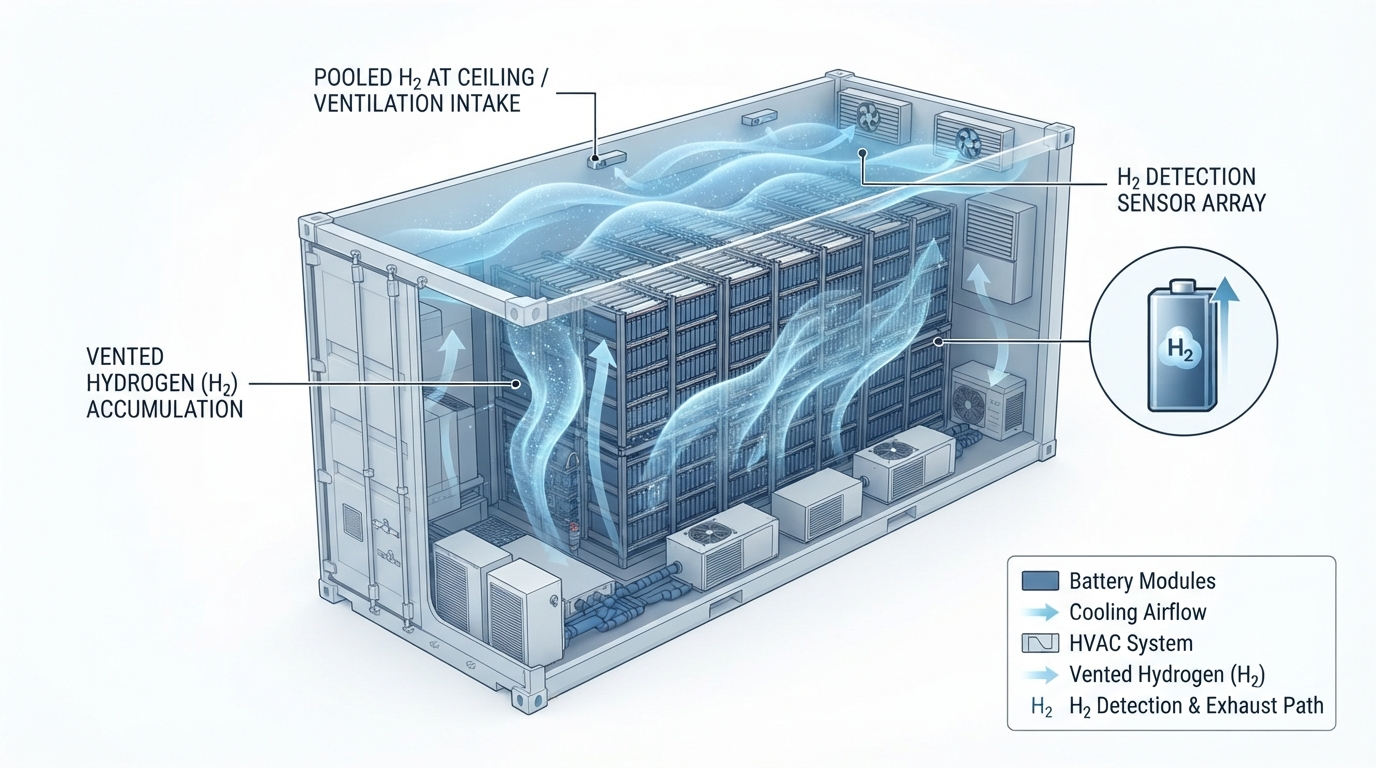
The most significant danger in a battery failure isn’t always the visible smoke; it is the colorless and odorless gas that precedes it. Sections 4.1.1 and 4.1.2 of the ERP highlight that when a cell reaches the “venting” stage, it primarily releases Hydrogen (H2) .Because Hydrogen is odorless and colorless, it cannot be detected by human senses. This makes internal sensors and external air monitoring far more critical than visual inspections. Safety professionals rely heavily on the concept of Vapor Density —a measurement of a gas's weight relative to the air. Hydrogen is significantly lighter than air, meaning it will rise and accumulate at the ceiling or in other high, confined spaces. While these gases are easily diluted by outside air in an open field, they remain a high-risk explosive hazard if they pool in enclosed areas.
Point 4: The 100-Foot Rule: Why First Responders Stay Back
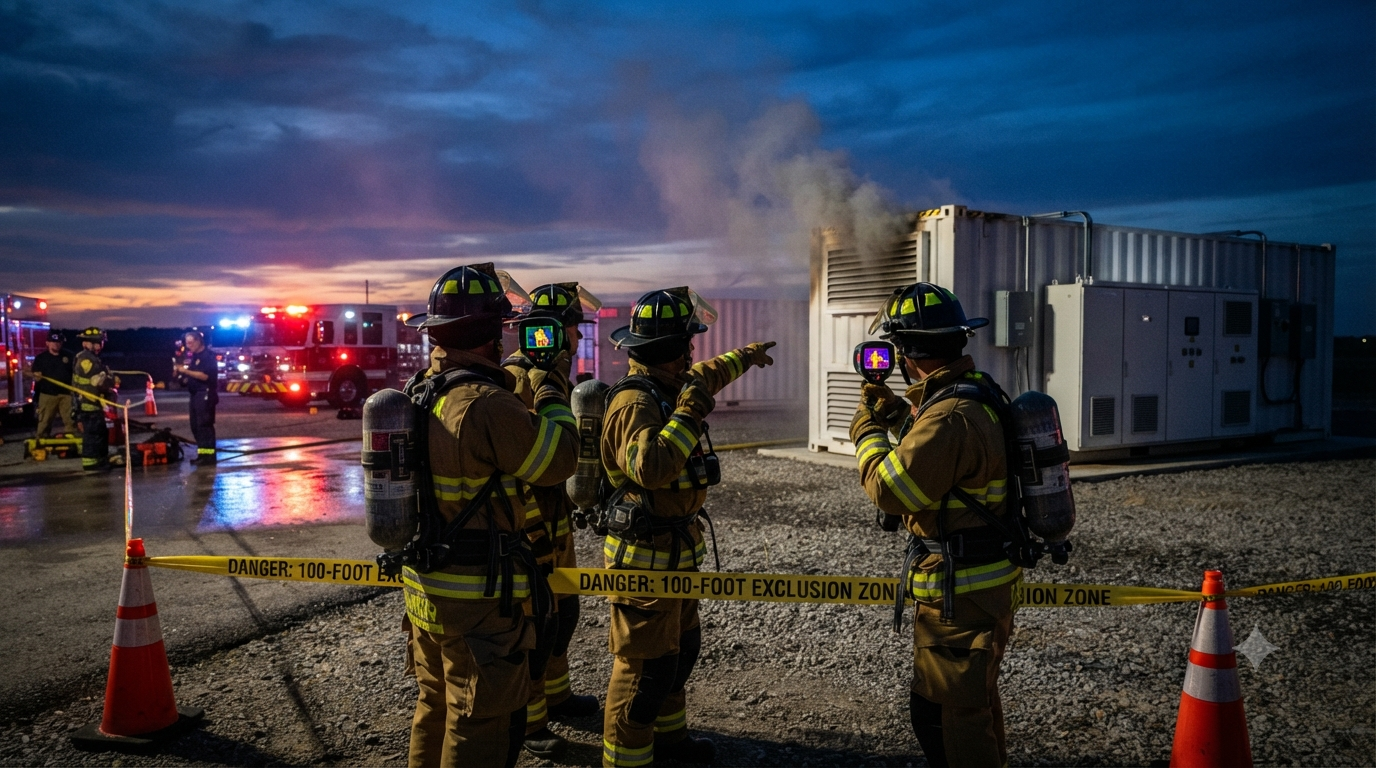
In a traditional structure fire, we expect firefighters to “break and enter” to find the seat of the fire. In a BESS emergency, the standard command is: DO NOT FORCE ENTRY .According to Sections 5.2.2 and 5.2.5, the gold standard for response is the establishment of a 100-foot Exclusion Zone . This defensive posture is a technical necessity. Forcing entry into a cabinet can introduce fresh oxygen to a volatile, fuel-rich environment, potentially triggering an explosion. Furthermore, responders are trained to look for “;white gas” (vented electrolyte), which is often mistaken for smoke. Because this gas is a precursor to a potential explosion, “standing back” and utilizing Condition Monitoring—visually and audibly monitoring the unit from a distance—is actually the most professional and technically sound response.
Point 5: Water is for the Neighbors, Not the Battery
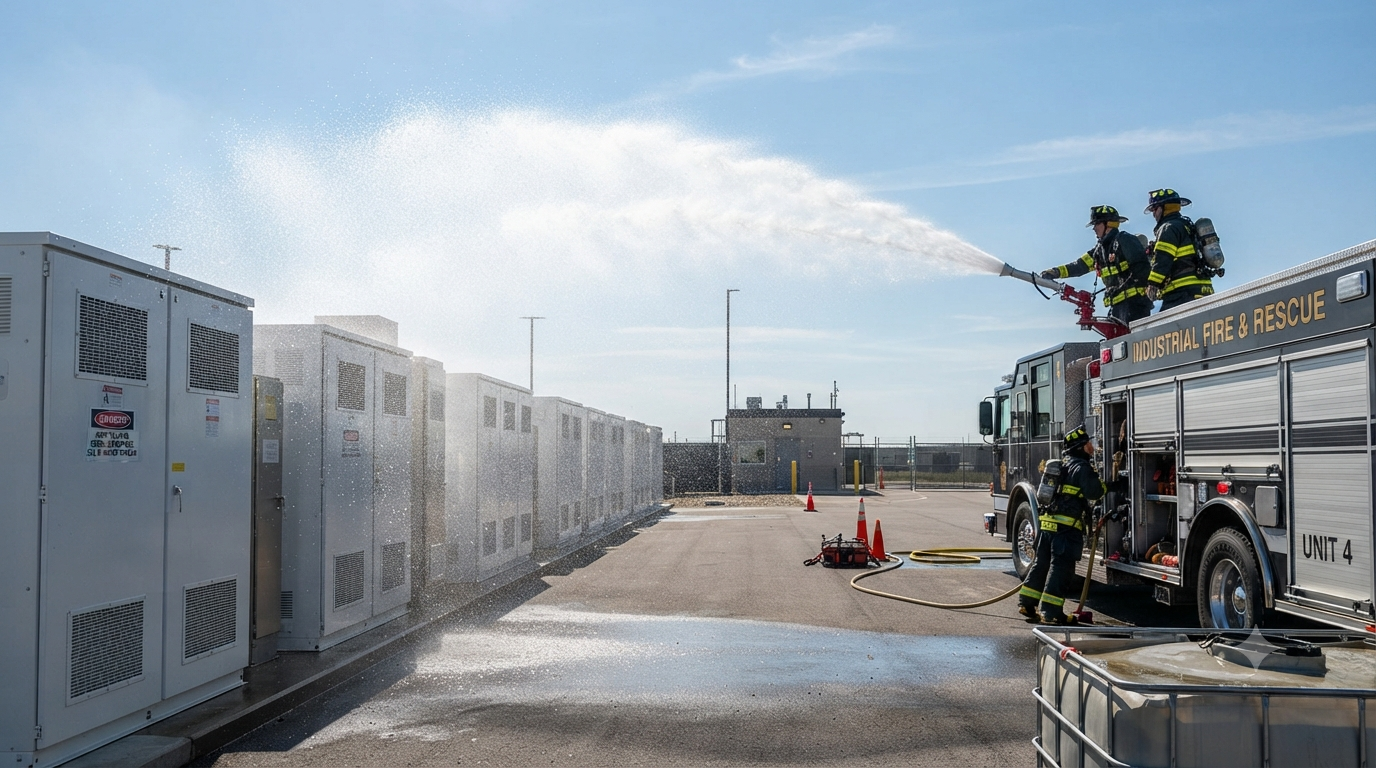
The sight of a fire engine at a BESS site might suggest they are hosing down the batteries. In reality, that water is likely being used for “Exposure Protection.” As outlined in Section 5.2.7, if a battery unit is failing, responders use a “rain down” method to cool adjacent equipment to prevent the fire from spreading to neighboring units. The logistical requirements for this are massive. The Alcazar site at 430 Hurley Ave , for example, requires a dedicated 30,000- gallon water tank located at the front of the site just to ensure they have enough supply to keep neighboring cabinets cool. Do not use a solid or straight stream… lob water in a fog pattern to cool the exposure equipment. Using a solid stream of water directly on electrical equipment can create dangerous electrical conductivity paths. The fog pattern allows for effective cooling of the surroundings without the same risks to the responders or the equipment.
Conclusion: The Future of Energy Resilience
Grid-scale batteries are essential for our green energy future, but they come with inherent risks. As the Hiller Disclaimer in industry safety reports reminds us: “Energy Storage Systems, regardless of the technology, are hazardous and can result in unanticipated safety events.” However, these risks are managed through sophisticated Layers of Protection . The Battery Management System (BMS) acts as a digital sentry, constantly monitoring voltage, current, and temperature to autonomously isolate batteries before a failure can escalate. As we transition to a 100% renewable grid, we are no longer just managing “power plants “—we are managing intelligent ecosystems. Closing Thought: As these systems become more prevalent in our communities, how should our local safety plans evolve to balance the need for green energy with the unique, highly technical demands of BESS emergency management?