

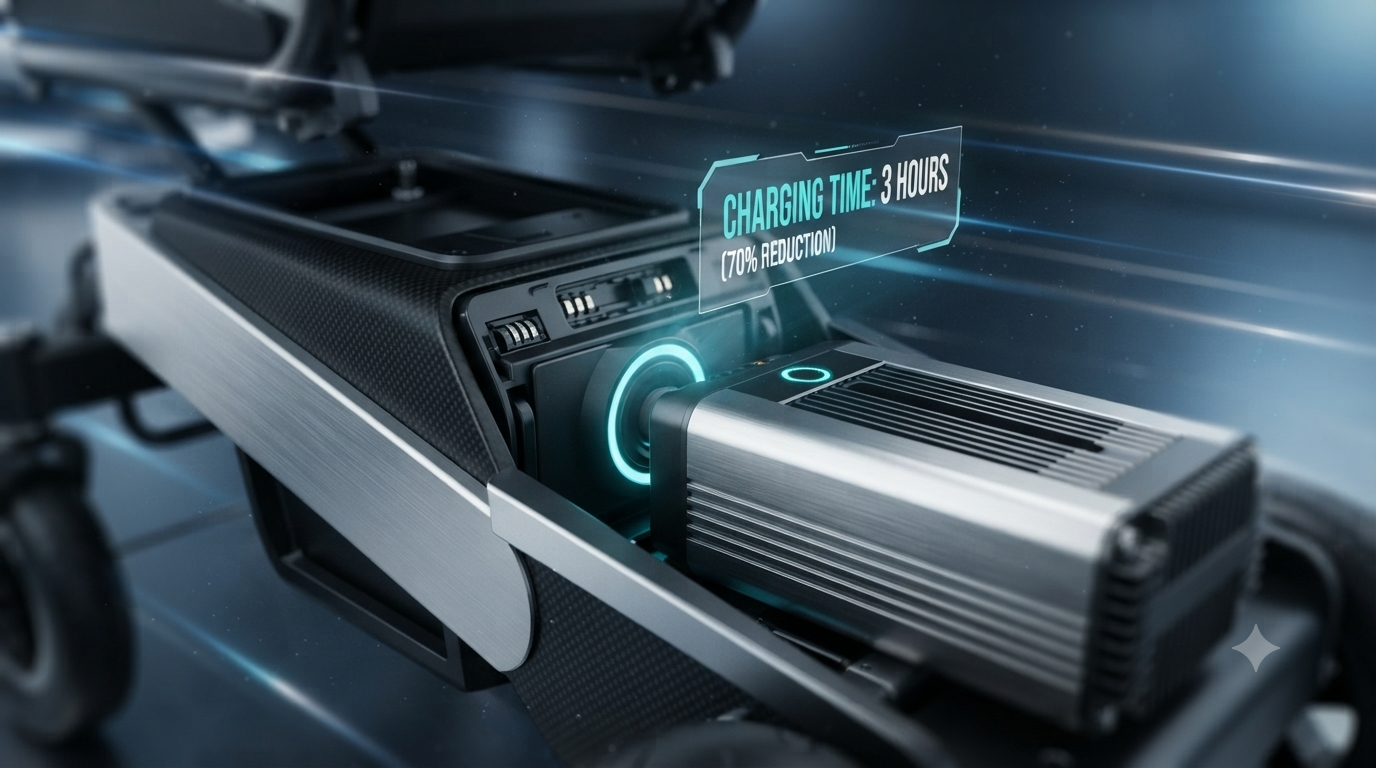
For decades, the promise of medical independence has been held hostage by the physical limitations of the hardware. We have accepted a world where mobility is “scheduled” —dictated by the agonizing ten-hour wait for a lead-acid battery to charge—and where life-saving devices are housed in sterile, intimidating boxes that feel more like industrial equipment than personal companions. But as a futurist, I see a profound shift occurring. We are witnessing the dissolution of the tether between the patient and the infrastructure. The most transformative leaps in healthcare today aren’t necessarily found in new medical discoveries, but in the clever application of sophisticated technologies borrowed from the consumer and semiconductor industries.
The End of the Ten-Hour Charge
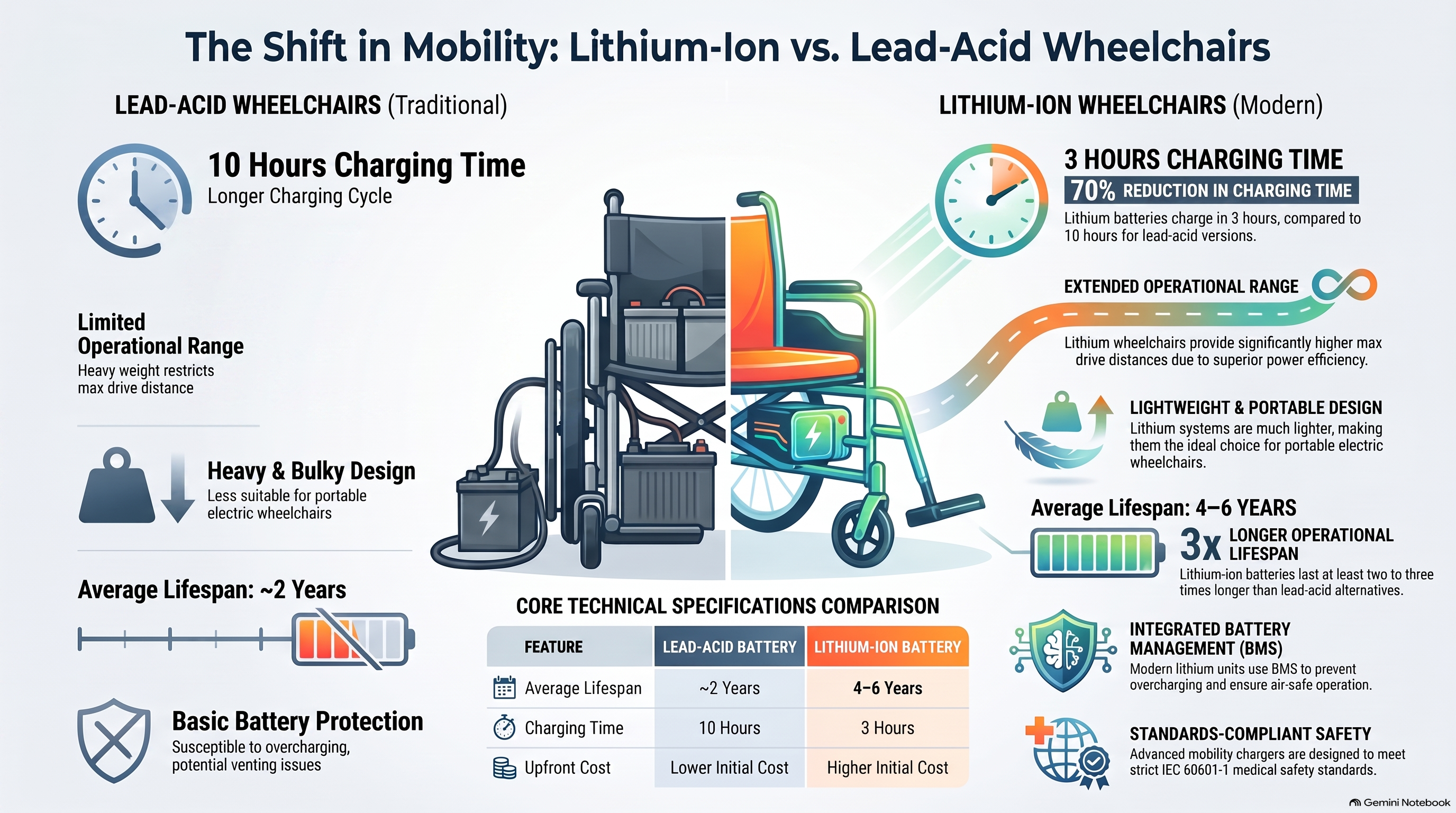
True independence requires spontaneity, yet traditional medical mobility has long been a slave to the power outlet. The heavy lead-acid batteries that have served as the industry standard for power wheelchairs create a bottleneck, demanding nearly half a day of downtime just to achieve a full charge. This isn’t just a technical lag; it is a limitation on the user’s agency. The transition to lithium-ion technology represents a fundamental shift from “scheduled mobility” to “on-demand agency. “Because lithium-ion systems are drastically more power-efficient and significantly lighter, they offer a level of freedom that finally matches the pace of modern life. The turnaround is no longer a barrier: “Lithium batteries only take from 3 hours to as little as a few minutes to charge, depending on the size of the battery.” This rapid replenishment means a user can reclaim their day during a brief lunch stop. The battery is no longer the focal point of the user's schedule; it has finally become what it should have been all along: invisible.
The "Double Lifespan" Secret
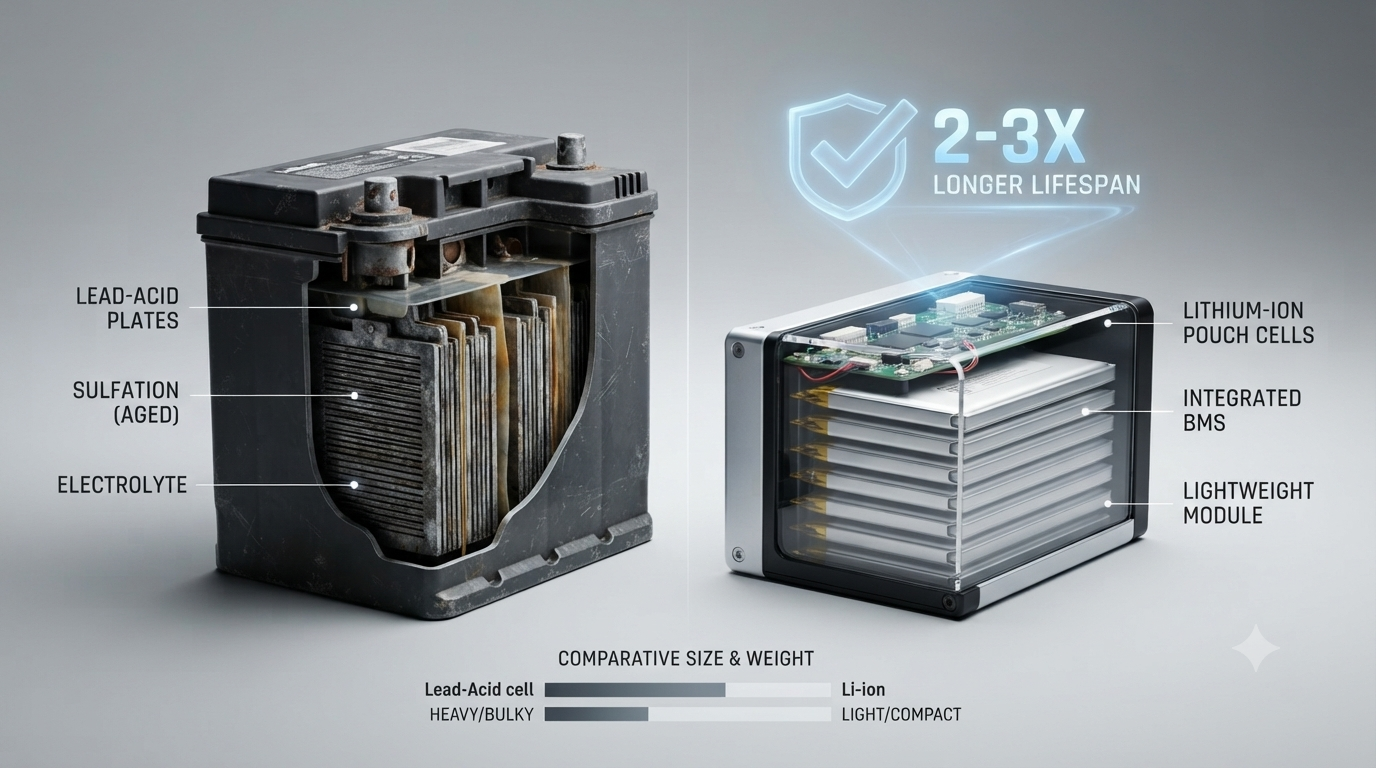
In the world of medical tech, sustainability is often the quietest revolution. While lead-acid batteries are cheaper at the point of sale, their two-year average lifespan creates a cycle of waste and recurring costs. By contrast, lithium-ion batteries last at least two to three times longer, redefining the long-term cost-benefit ratio for the consumer. This “double lifespan” creates a virtuous cycle of efficiency. Because these power systems are lighter, the motors in wheelchairs and portable devices don’t have to work as hard to maintain performance. This reduced mechanical strain preserves the device’s integrity over time, making lithium a more sustainable, power-efficient choice. For the user, this means less maintenance and more reliability—a critical component of true independence.
Bringing the Smartphone Experience to At-Home Care
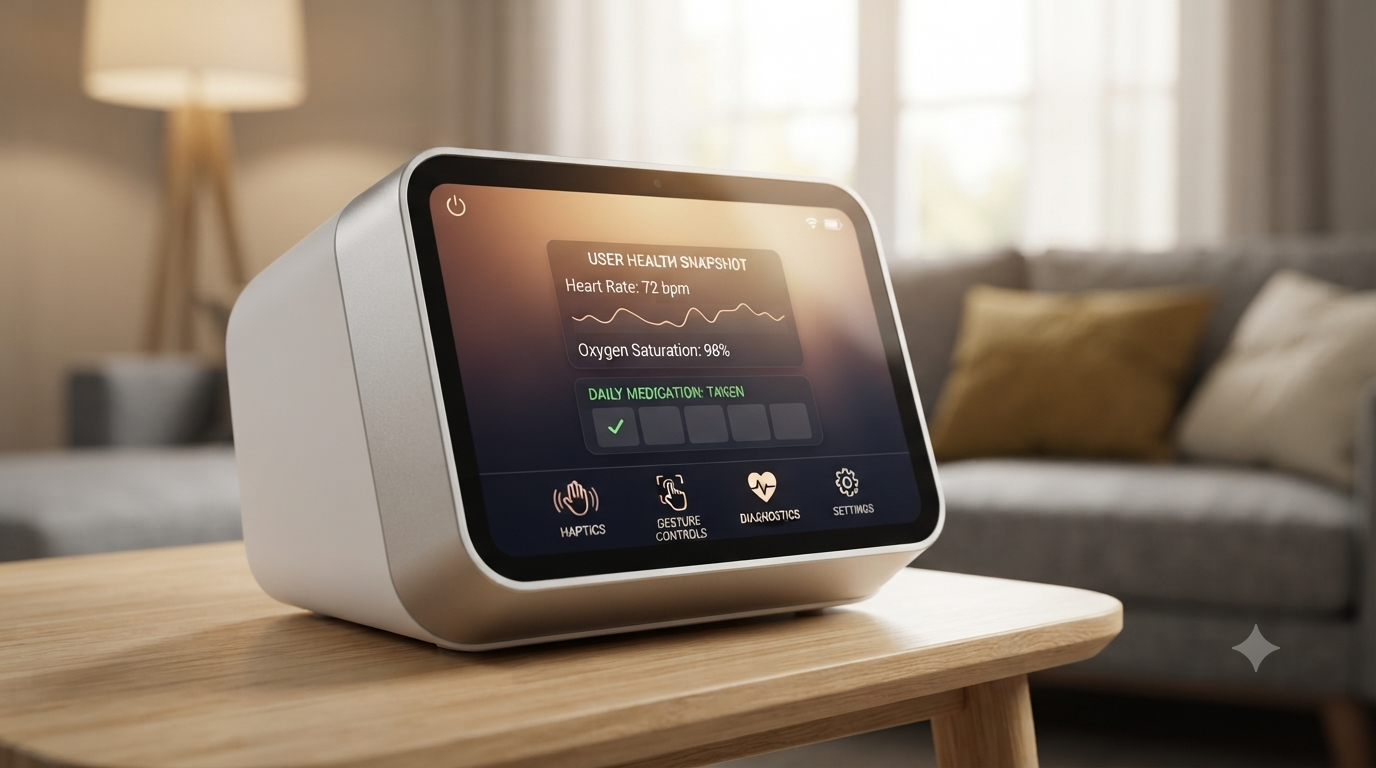
As healthcare migrates from the sterile clinical environment into the sanctuary of the home, the design philosophy of medical devices must adapt. We are seeing a “consumerization” of medical tech where the intimidating, button-heavy interfaces of the past are being replaced by “attractive and high-quality user interfaces” that mirror our daily interactions with smartphones. To bridge the gap between clinical necessity and home comfort, manufacturers are integrating high-end consumer features:
● Haptics: Tactile feedback that confirms an action has been taken.
● Gesture Sensors: Enabling touch-free, hygienic control.
● High-Quality Touch Displays: Providing high-resolution, intuitive visual data.
● Tactile Innovation: Utilizing stylish, easy-to-turn knobs and accessible buttons. This shift ensures that managing one’s health feels less like a chore and more like a seamless part of a modern lifestyle.
The Invisible Hospital: Real-Time Location Systems (RTLS)
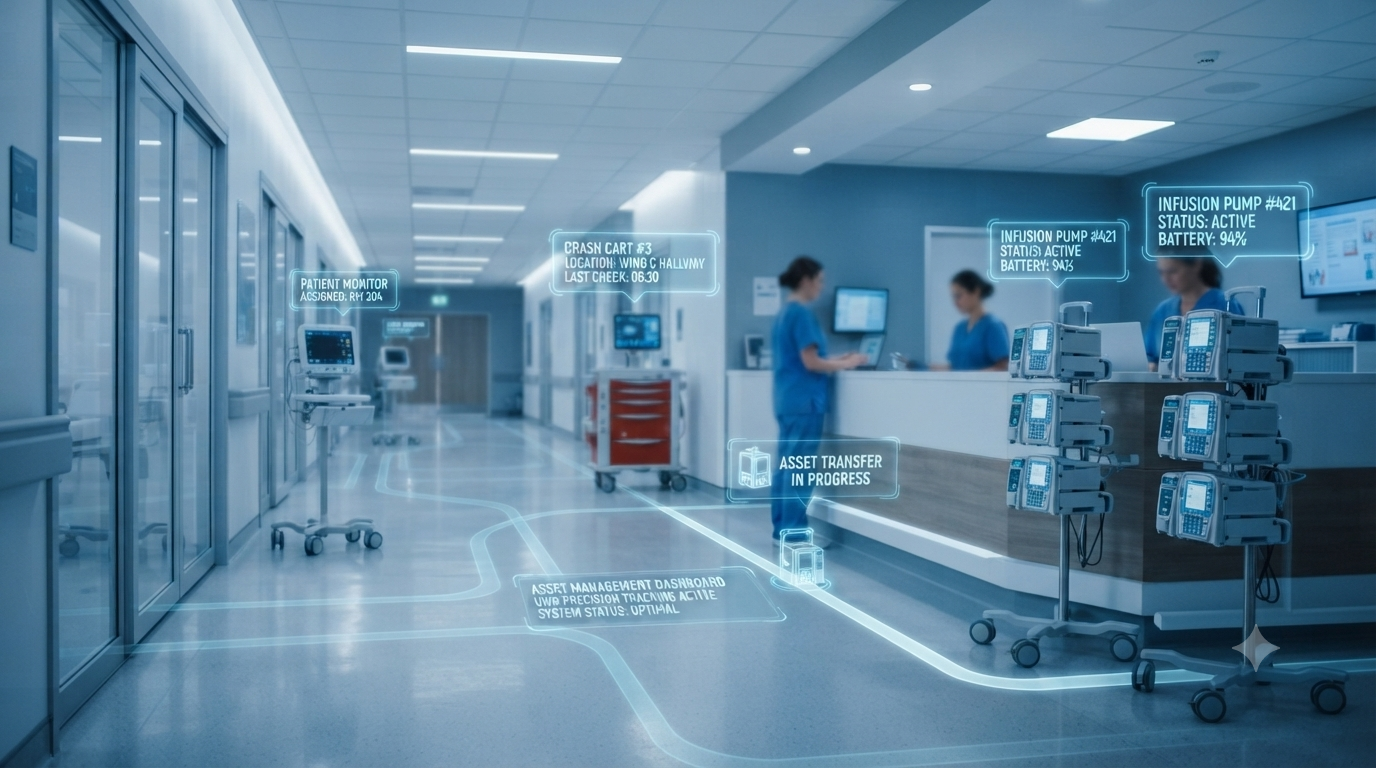
Independence within a healthcare facility is built on the foundation of operational efficiency. We are moving toward the era of the “Invisible Hospital” where the building itself becomes a cognizant participant in care. By integrating Ultra-Wideband (UWB) technology, facilities are evolving into Real-Time Location Systems (RTLS) that track critical assets with surgical precision. This isn’t about surveillance; it’s about a radical improvement in patient safety and asset management. UWB allows hospitals to monitor the location of essential equipment—such as defibrillators, infusion pumps, and patient monitors —in real time. This ensures that life- saving tools are never lost in storage or “buried” during an emergency. This leap in efficiency is a direct result of cross-industry innovation: “Improvements often come from the application of advancements made in other technology fields. These dvancements can make medical devices faster, smarter, smaller and more secure.” Crucially, this cross-pollination also addresses the modern necessity of data security. As these devices become more connected, the advanced chips powering them are being designed to be “more secure” protecting sensitive patient data from the growing threat of medical cyber-intrusions.
Radical Miniaturization: Intelligence Under the Skin
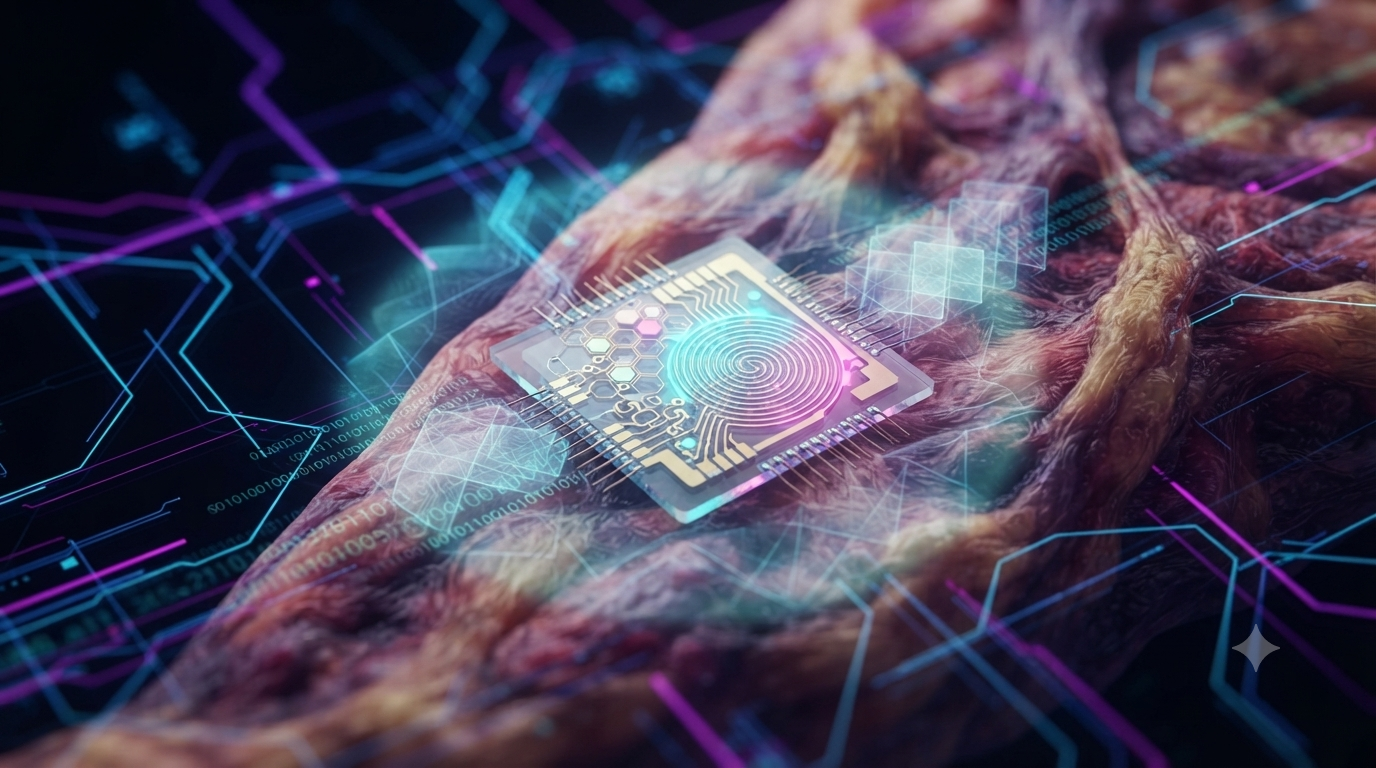
Perhaps the most visionary trend is the move toward radical miniaturization through “Advanced Packaging.” This is where the clever application of microelectronics allows us to shrink technology to a point where it can function silently within the human body. By maintaining power and functionality while drastically reducing size, manufacturers are creating “smart” versions of traditional implants. These devices no longer just replace a joint or steady a heart; they monitor and report on our internal health in real time. We see this trend manifesting in:
● Smart knee and hip replacements
● Pill cameras
● Advanced pacemakers
● Surgical robots When technology becomes small enough to be invisible, it ceases to be a piece of “equipment” and becomes a seamless, intelligent extension of the human body.
Conclusion: The Future is Small and Fast
The convergence of charging speed, extreme miniaturization, and ubiquitous connectivity is rapidly closing the gap between patient and machine. We are entering an era where medical technology no longer interrupts our lives but enhances them from the background. As these devices become faster, smaller, and increasingly integrated into our very biology, we must ask a more provocative question: As medical technology becomes invisible, where does the machine end and the human begin? The era of being tethered to a battery or restricted by bulky hardware is ending; the era of true, technology-enabled human agency has arrived.