

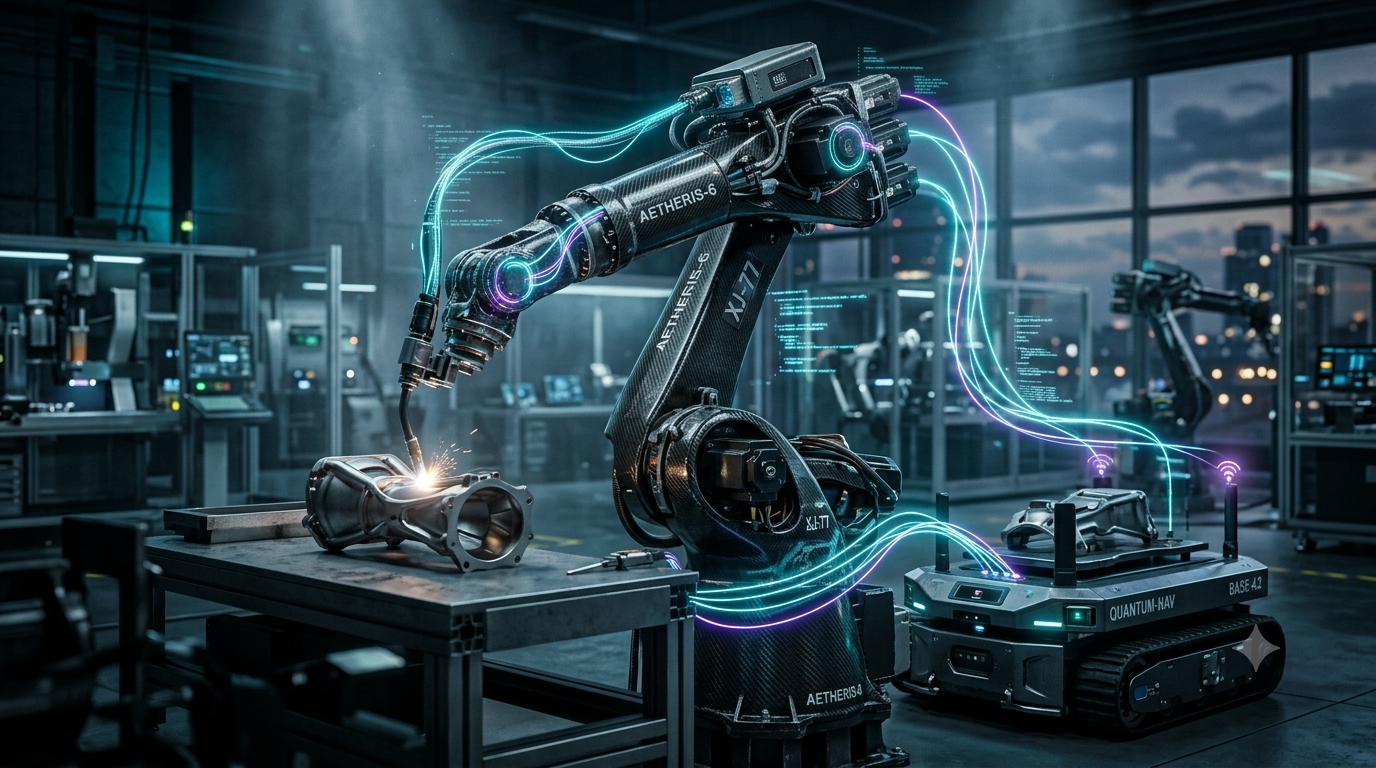
Introduction: The Invisible Revolution
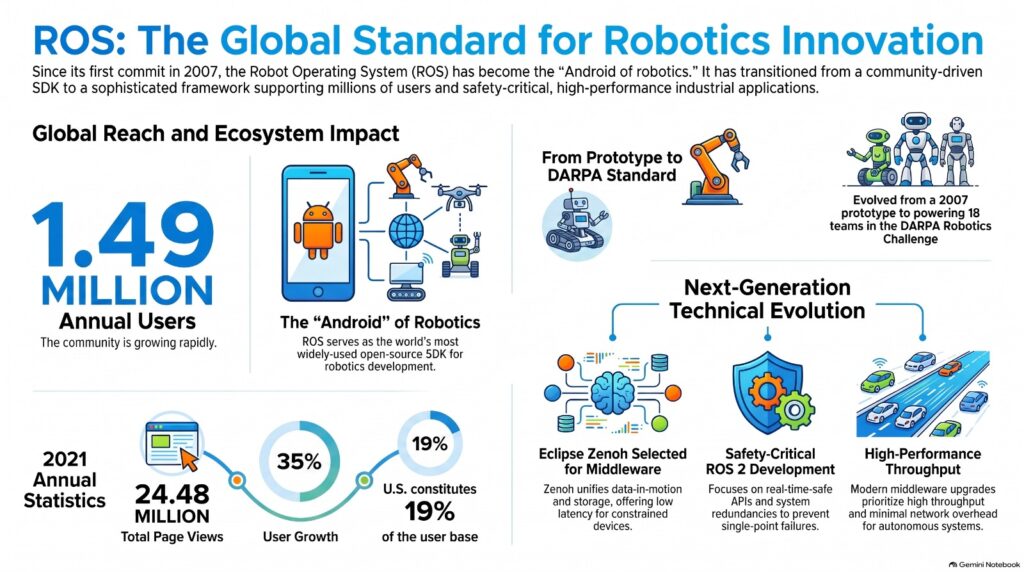
In the hierarchy of robotics, the gleaming mechanical limbs and high-fidelity sensors often capture the public imagination. Yet, as any robotics systems architect will tell you, the true “hidden nervous system” of the machine is its middleware. This essential software layer provides the plumbing that allows disparate components to speak to one another. For nearly two decades, the Robot Operating System (ROS) provided a standardized foundation that sparked a global innovation boom.However, we are currently witnessing a seismic shift. As robots transition from the forgiving confines of the research lab into mission-critical roles—from autonomous combat flight to lunar exploration—the traditional ways of communicating are being fundamentally re-engineered. The industry is moving away from the unpredictable performance and network dependencies that characterized early frameworks. In this new era, the “invisible code” connecting a robot’s logic to its limbs is being hardened for environments where a millisecond of latency can mean the difference between mission success and a multi-billion-dollar failure.
Zenoh: The Lean Successor to the DDS Giant
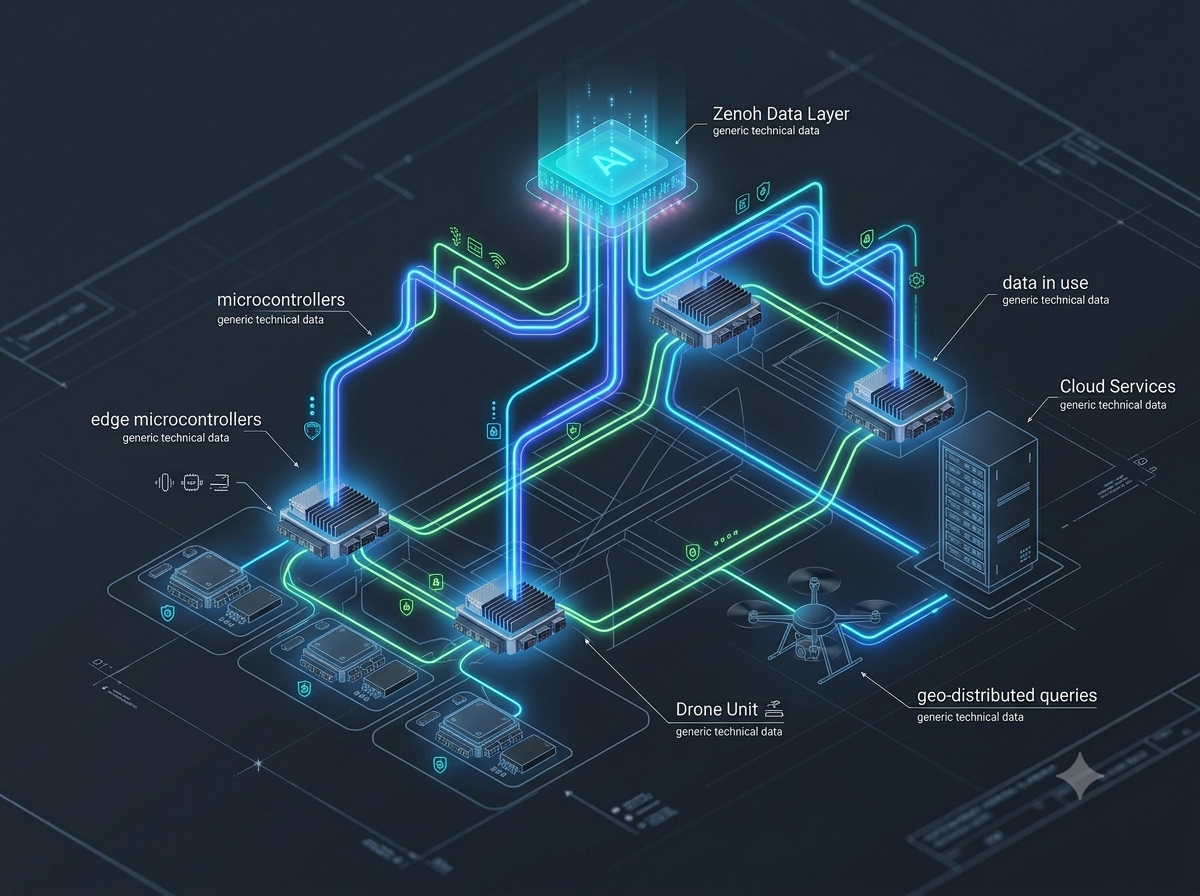
For years, the Data Distribution Service (DDS) was the heavyweight champion of ROS 2 middleware. That dominance is now being challenged by Eclipse Zenoh. The community’s pivot was cemented by the ROS 2 Alternative Middleware Report , which explicitly stated that Zenoh best met the rigorous requirements for a modern alternative and was the most recommended choice by the user base.Zenoh’s brilliance lies in its “unification” of data—it treats data in motion, data in use, and data at rest as a single, seamless continuum. By blending the publish/subscribe paradigm with geo-distributed storage and queries, Zenoh drastically minimizes network overhead. This is critical for “extremely constrained devices” that lack the computational overhead to manage bulky protocols but require high throughput. As the report accurately concluded:”Zenoh can be viewed as a modern version of the TCPROS implementation, and meets most of the ROS 2 requirements.”
The End of Unpredictability: Why “Static” is the New “Dynamic”
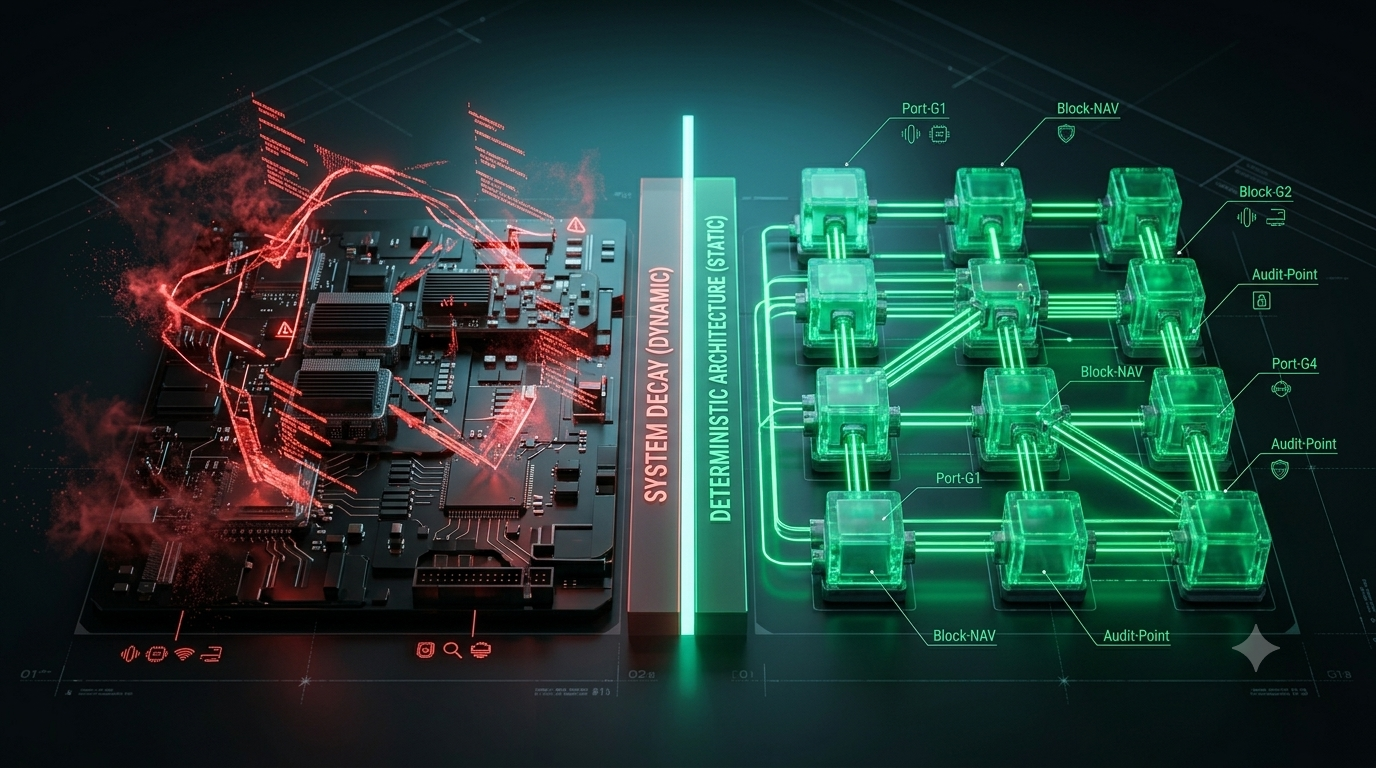
One of the most radical shifts in modern middleware design involves a retreat from runtime flexibility. Traditional frameworks like ROS are famously dynamic, allowing nodes and topics to be created or destroyed on the fly. While this is great for rapid prototyping, it is a liability in high-stakes environments like autonomous defense.Frameworks such as Shield AI’s Hivemind EdgeOS are instead championing a static configuration model. In this architecture, the system is organized around “Blocks” (modular units of computation) and “Ports” (typed input/output channels). Rather than discovering connections at runtime, the entire system launches from a static JSON configuration. From a systems architect’s perspective, this is a game-changer for auditability and reproducibility. By limiting runtime flexibility, we gain a level of determinism that simplifies validation for drones and autonomous vehicles. In mission-critical environments, the ability to predict exactly how a system will behave is far more valuable than the ability to change its structure while it’s in the air.
Robots in Orbit: Making Open Source “Space-Certifiable”
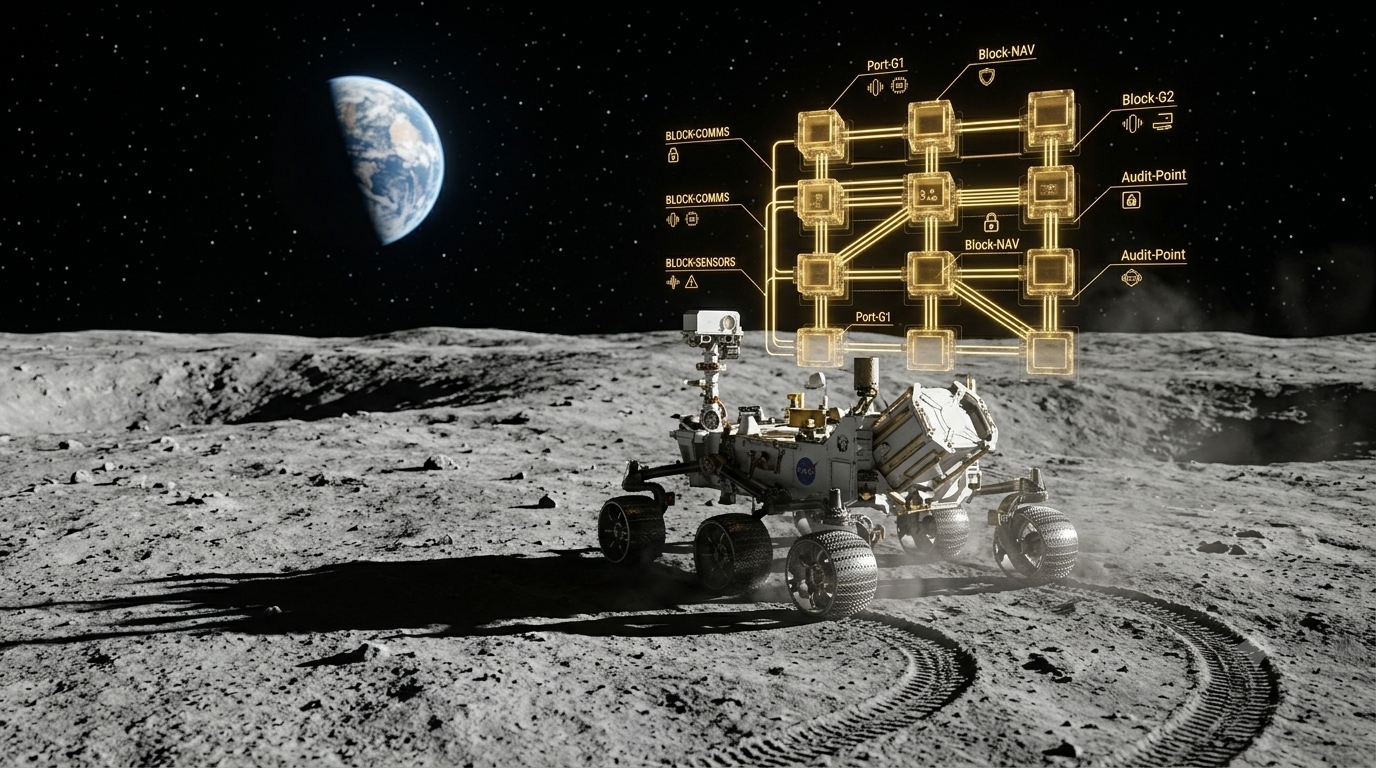
The push for middleware reliability reaches its zenith when we look beyond Earth’s atmosphere. NASA is currently leading an effort to evolve ROS into a “qualification-ready” distribution. This isn’t just about code; it’s about meeting the most stringent flight software standards, including DO178C and NPR7150.2.To make open-source code viable for Class A space missions, architects are “sandboxing” specific language features. This involves strictly managing memory allocation and exceptions to ensure the system remains deterministic under the harshest conditions. Looking at the footprints on the lunar surface ( SOURCE_IMAGE_26 ), the ambition becomes clear: we aren’t just sending code to space; we are sending a certifiable foundation. By creating this reusable framework, NASA is allowing the broader open-source community to gain a massive head start on certification, essentially commoditizing the path to the stars.
The Shared-Memory Speed Secret
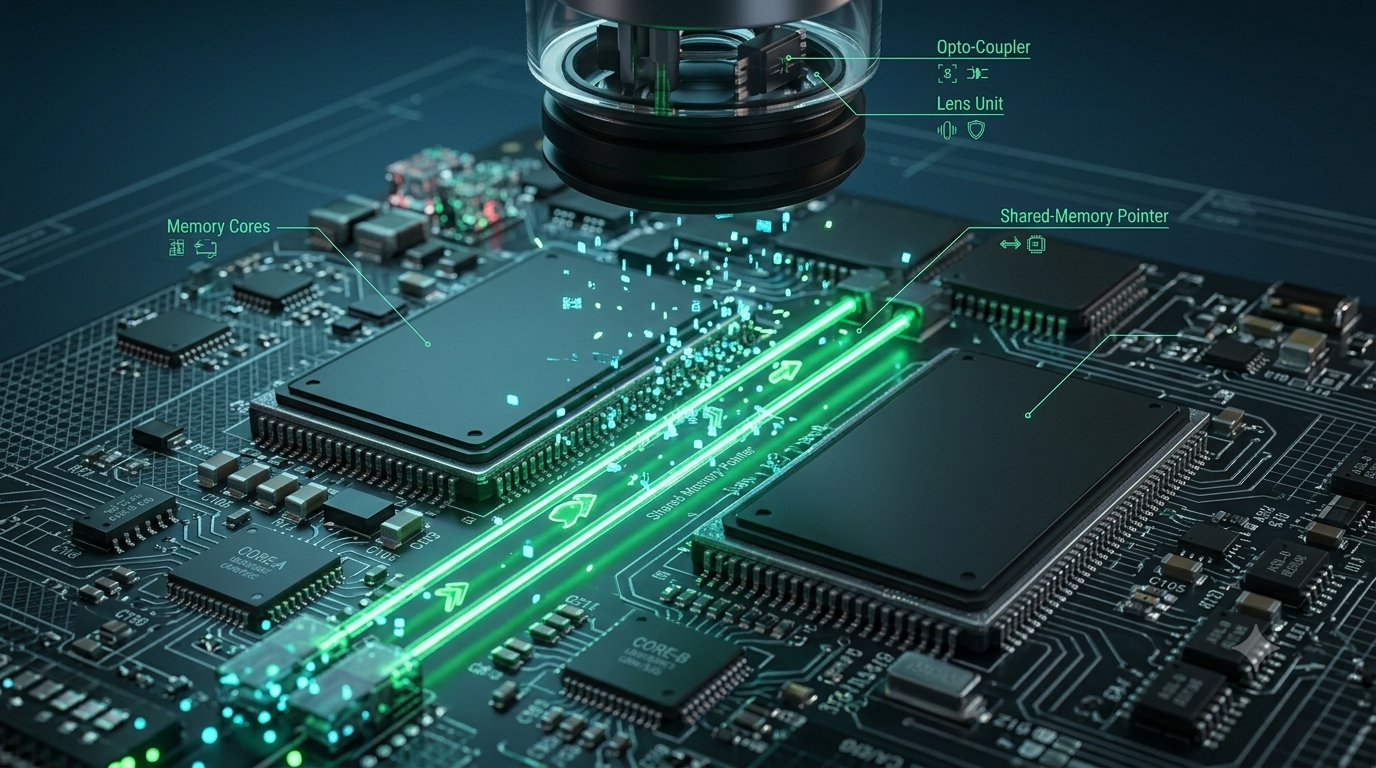
If you want to know how modern robots achieve lightning-fast reflexes, look at their memory management. High-performance systems are moving away from standard network transport toward local, shared-memory communication that passes messages “by reference.”The primary bottleneck in robotics has long been serialization overhead—the time spent packing and unpacking data to move it between processes. By passing pointers rather than copying data, EdgeOS can sustain millions of messages per second with sub-millisecond local latency. This is the “secret sauce” behind advanced vision-based navigation. For instance, recent research into a hybrid architecture combining NASA’s F’ framework with ROS 2 utilized Protocol Buffers bridging to achieve a staggering 87.19 Hz position estimation rate. This proves that we can finally marry the flexible autonomy of ROS 2 with the deterministic, real-time control required for flight.
The 20-Year Shortcut: Open Source as a Business Catalyst
Beyond the bits and bytes, there is a powerful economic narrative unfolding. Data from Open Robotics shows that the robotics industry is exploding, with a three-fold increase in professional service robots between 2019 and 2023 . This growth is fueled by a simple realization: companies should not be reinventing the wheel.By standardizing the “basic robotics” layer (the middleware, drivers, and simulation tools), companies can focus exclusively on their unique value-add and market differentiation. The results are startling. Simbe’s Tally robot, for example, took only 18 months to build using the existing open-source ecosystem. Without these standardized tools, it is estimated the project would have required 22 years of development from scratch. Open source has effectively become a 20-year shortcut for the entire industry.
Conclusion: The Autonomous Horizon
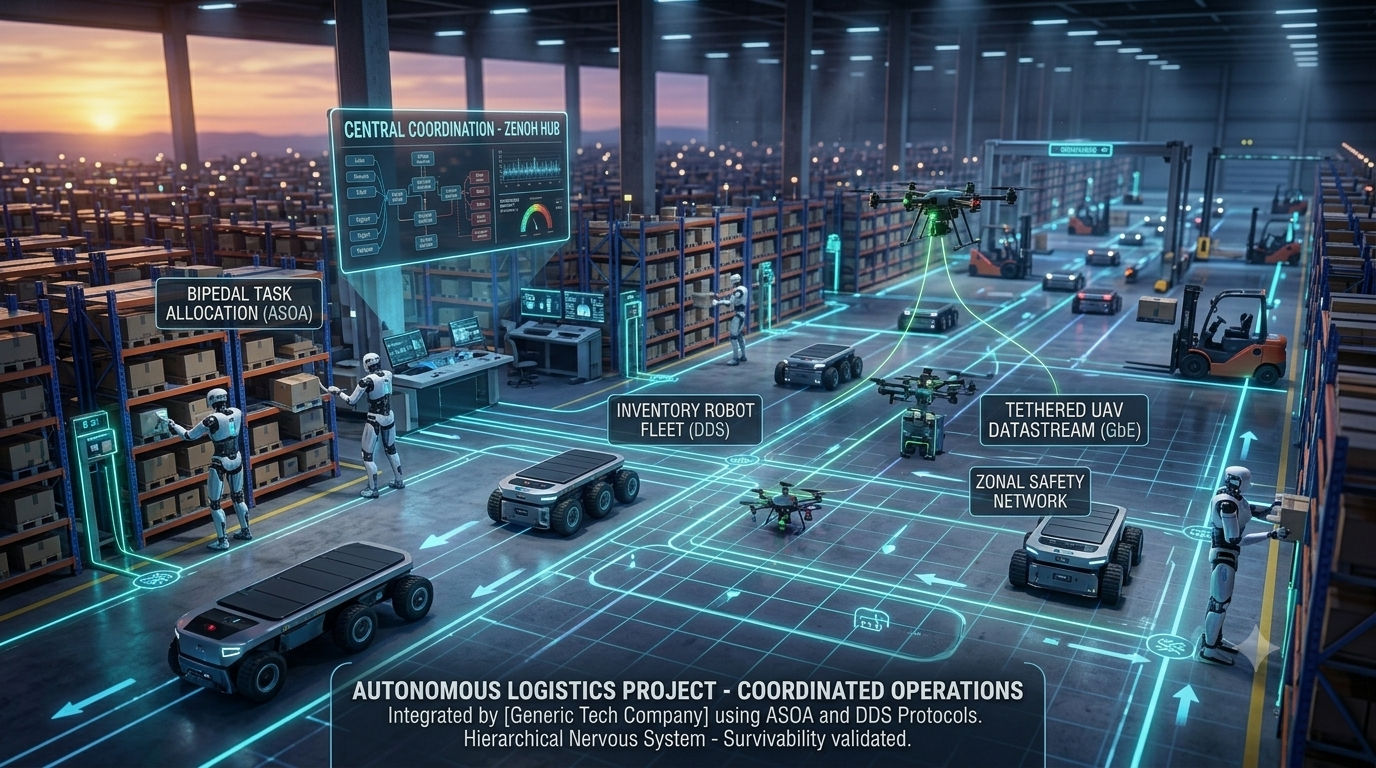
We are witnessing a definitive pivot in the robotics industry. Middleware has evolved from an experimental utility into mission-critical infrastructure. Whether it is the lean efficiency of Zenoh, the ironclad predictability of EdgeOS’s static configurations, or the rigorous certification of NASA’s space-grade distributions, the goal is the same: absolute reliability.As our machines move from the laboratory to the lunar surface and the battlefield, the code that connects their sensors to their actuators is no longer just a convenience—it is a safeguard. This evolution brings us to a final, inescapable question for the next generation of architects: As we prepare to trust our lives to the invisible code that connects a machine’s limbs to its logic, have we built a foundation strong enough to carry that weight?