

Introduction: The Invisible Backbone of the Green Revolution
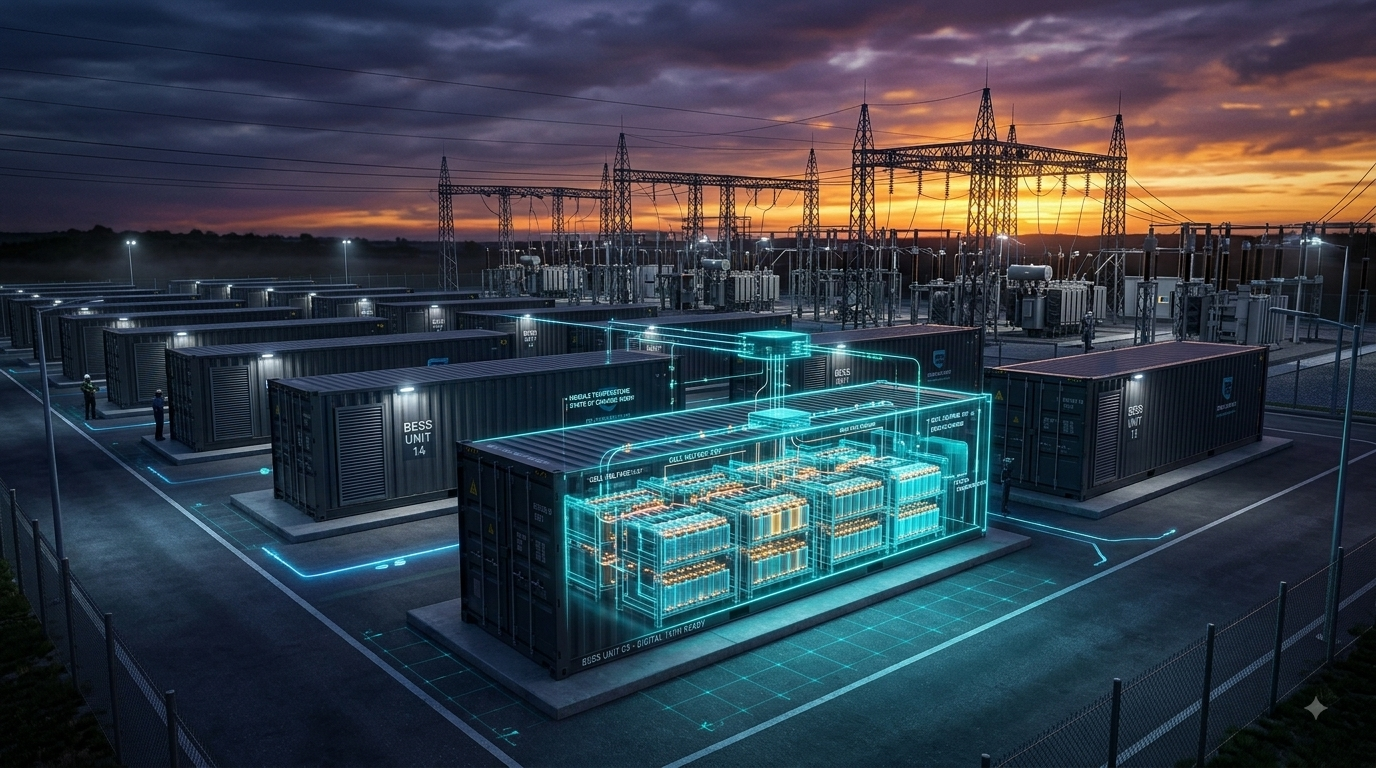
The transition to a carbon-neutral future isn’t just happening on wind-swept ridges or sun-drenched plains; it’s occurring inside heavy steel shipping containers tucked quietly beside electrical substations. These are Battery Energy Storage Systems (BESS), and their rise has been nothing short of vertical. In 2024, the United States saw its operating capacity surge to a staggering 26 GW. This isn’t just growth; it’s a total reimagining of how we stabilize the power grid.But as we populate our infrastructure with these massive, high-voltage blocks of energy, we face a unique engineering paradox: How do we monitor and protect something we can’t—and shouldn’t—physically touch? Once a BESS unit is sealed and operational, “peeking inside” during a fault can be a fatal mistake. The solution is emerging from a synthesis of high-fidelity engineering and the “BESS Fire Report,” led by a concept known as the “Digital Twin.” To understand the future of energy, we have to look at the data keeping these systems safe.
Takeaway 1: The "Newborn" Hazard (Why Early Lifecycle is the Riskiest)
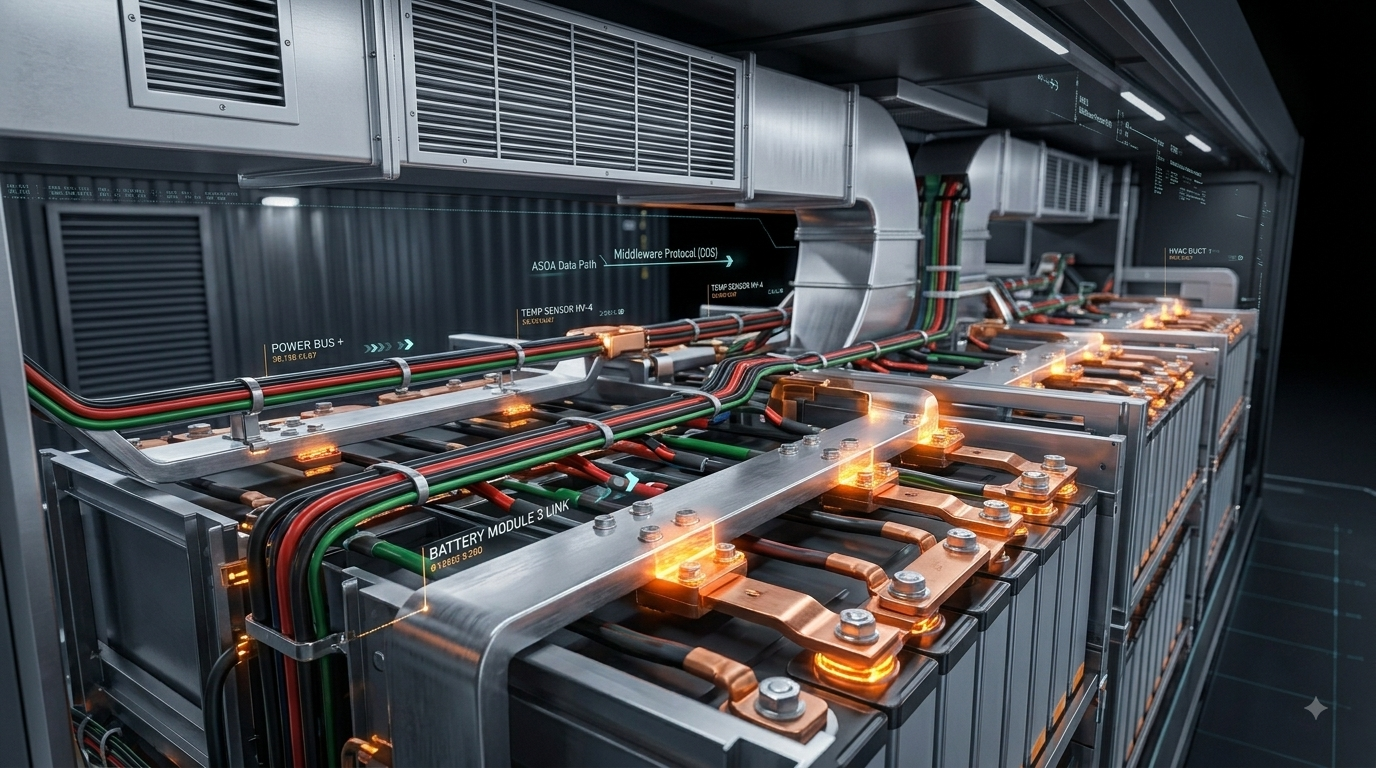
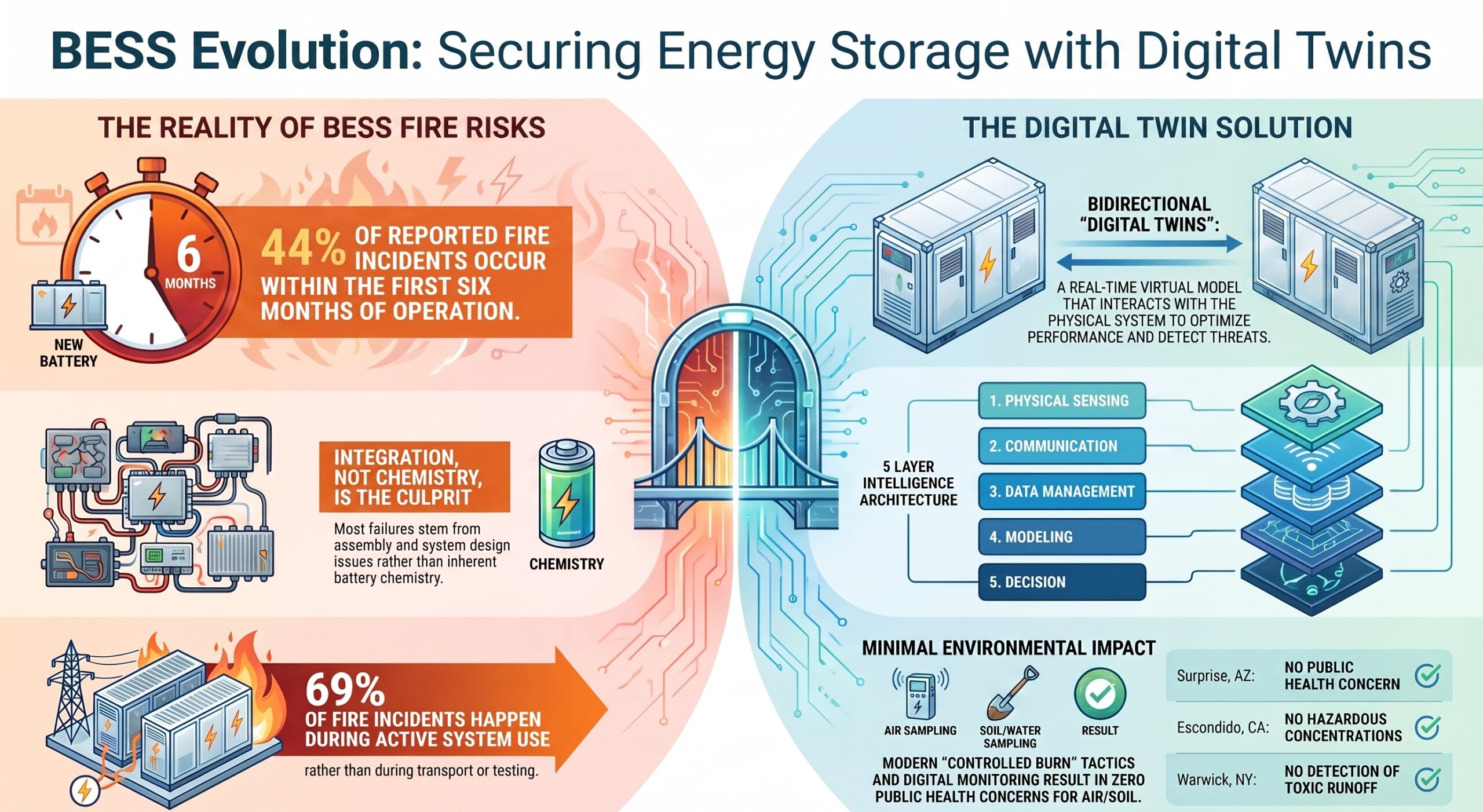
In the world of high-capacity batteries, the most dangerous day isn’t the five-thousandth—it’s the first. Counter-intuitively, BESS units are most prone to failure when they are brand new. According to historical incident data, 44% of fires occurred within the first six months of operation.This “infant mortality” phase of the technology rarely stems from the fundamental nature of lithium-ion chemistry. Instead, it is a problem of “under-the-hood” complexity. Most early-stage failures are linked to integration, assembly, and commissioning issues. Specifically, the “Balance of Plant” (BOP) components—the busbars, wiring, HVAC systems, and power conversion hardware—are often the culprits. When components from different manufacturers are integrated in the field, any slight misalignment or software friction can manifest as a fault. This suggests that the risk isn’t the battery itself, but the rigor of the initial setup, demanding better oversight rather than a fear of the cells.
Takeaway 2: Your Battery Has a "Digital Bodyguard"
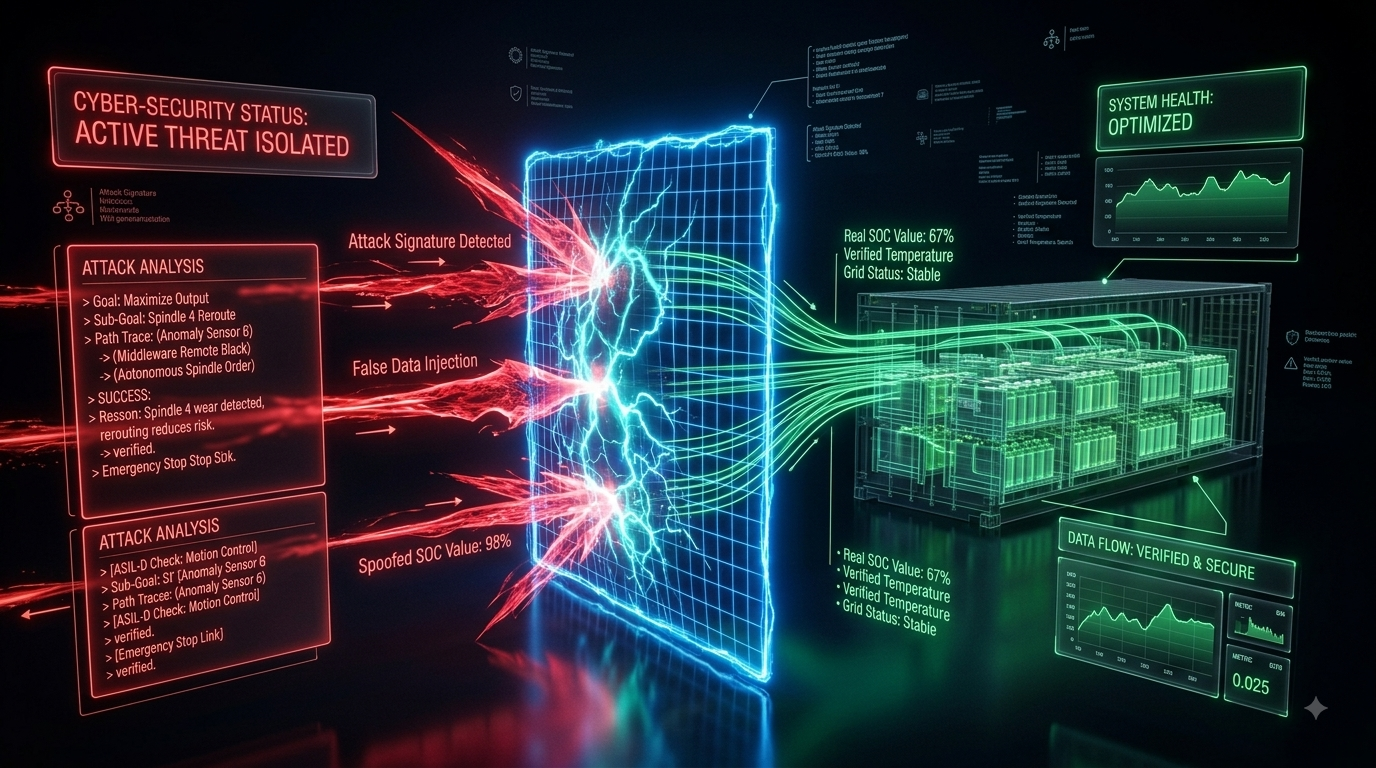
To manage these risks, the industry is moving toward “Digital Twins” (DT). As defined by Sandia National Laboratories, a Digital Twin is a high-fidelity, real-time virtual representation of the physical battery, synchronized through bi-directional communication.The sophisticated “brain” of this architecture is Layer 5: The Application and Decision Layer . Here, the twin doesn’t just watch; it decides. One of its most vital roles is in Cybersecurity. In an era of grid-level threats, DTs are the ultimate defense against “False Data Injection Attacks.” If a malicious actor sends fake sensor data to trick a system into overcharging, the Digital Twin compares that data against its own physics-based model. If the numbers don’t match the laws of physics, the “bodyguard” flags the threat and can even initiate self-healing protocols.As the researchers at Sandia highlight:”Significant opportunities exist for the application of digital twins for cyber security of BMS… the real time modifications to the DTs using twinning process will lead to performance improvements, predictive capabilities, detecting security threats, and self-healing mechanisms.”
Takeaway 3: The "Let It Burn" Environmental Strategy
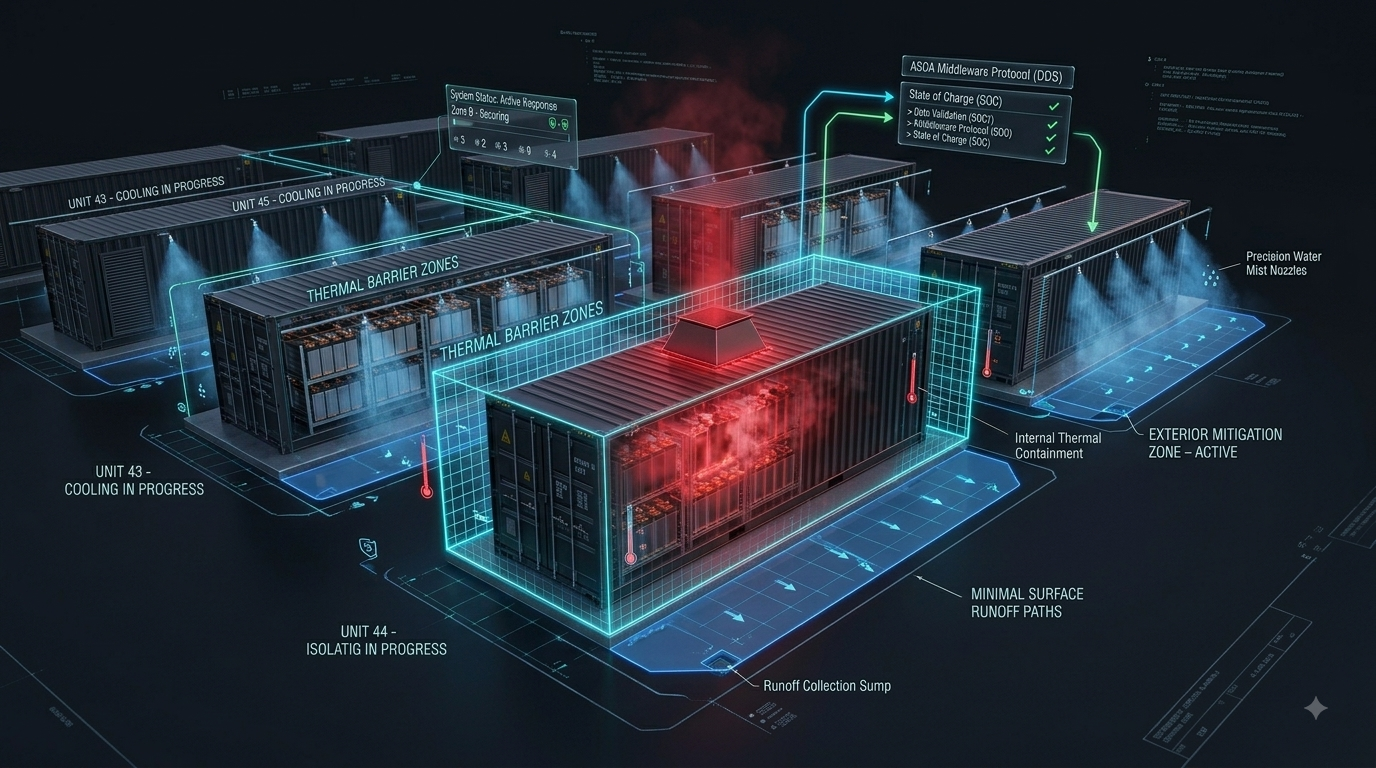
Perhaps the most jarring shift for the public to grasp is the “controlled burn” strategy. For decades, the firefighting instinct has been to douse flames with massive volumes of water. However, for a deep-seated BESS fire, this can be an environmental disaster. Excessive water creates contaminated runoff that carries chemicals into local soil and groundwater.The industry learned this lesson the hard way. In the 2019 Surprise, AZ incident, firefighters attempted to intervene and opened the door to a venting container; the resulting influx of oxygen led to a violent deflagration. Today, the tactical priority—demonstrated successfully in Escondido, CA—is “cooling the targets.” Firefighters focus on protecting adjacent containers while allowing the affected unit to consume itself. This “let it burn” approach prevents the explosive gas ignition seen in Arizona and keeps the incident localized and manageable.
Takeaway 4: The Myth of the Toxic Wasteland
Public anxiety often frames a battery fire as a looming ecological catastrophe. However, the data from 35 documented incidents tells a different story. Rigorous sampling at sites like Warwick, NY, has shown that environmental impacts are remarkably short-lived and localized.
Air Quality: While emissions contain hydrogen fluoride (HF), they dissipate rapidly in open-air environments. Monitoring has shown that concentrations rarely reach levels of concern for the public beyond the immediate site.
Soil and Water: Because the “controlled burn” strategy minimizes runoff, soil and water samples have consistently failed to show hazardous contamination requiring remediation.
Health Hazards: Most emissions from a BESS fire are similar to those of conventional fires involving plastics (CO and CO2).The BESS Fire Report is definitive:”In none of the reviewed cases of environmental sampling related to the BESS fire events were contaminant concentrations found that would pose a public health concern or necessitate further remediation.”
Takeaway 5: The Hydrogen Signature
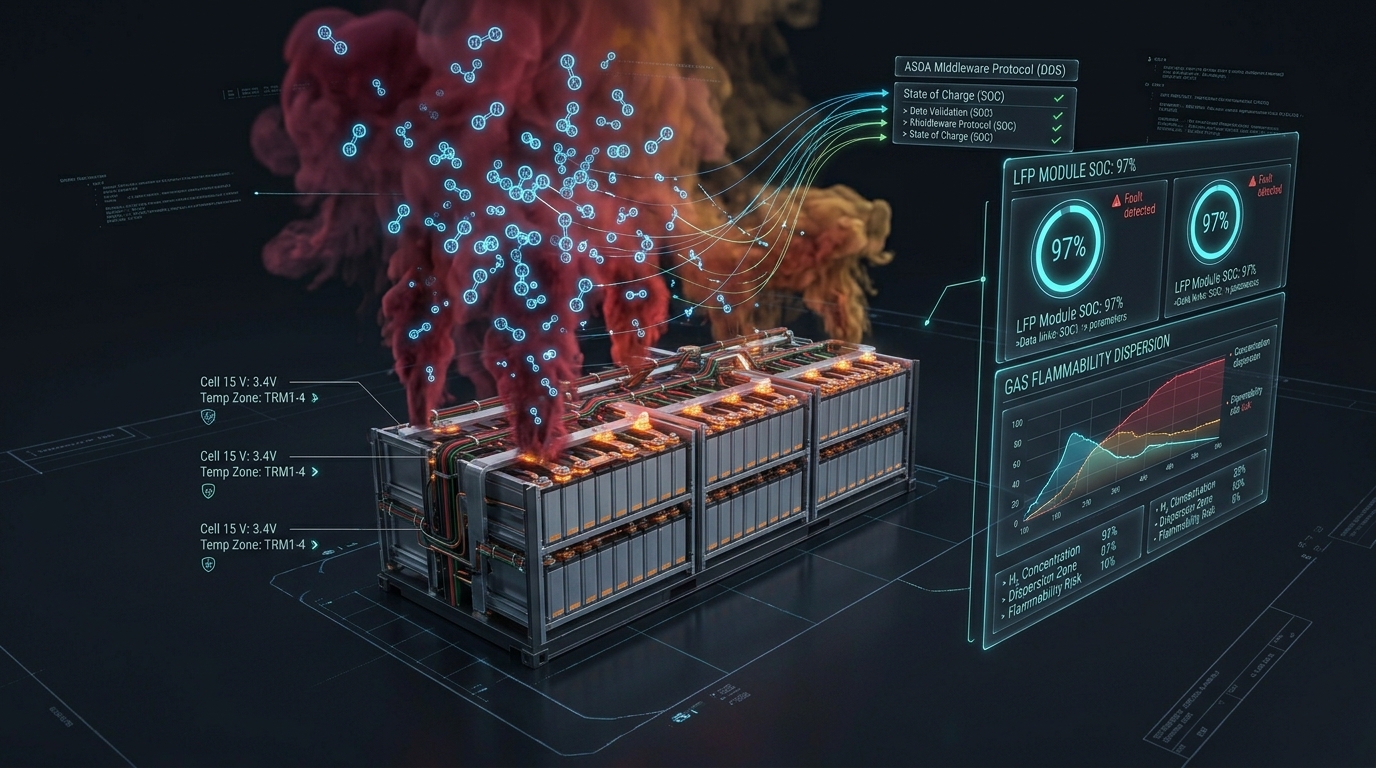
While battery fires share some DNA with burning wood or plastic, they have a unique chemical calling card: Hydrogen (H2) . The chemical decomposition of a lithium-ion battery during Thermal Runaway (TR) produces significant volumes of H2, which is the principal difference between these and ordinary combustible fires.Crucially, the “Hydrogen Signature” is tied to the battery’s State of Charge (SOC). As the SOC increases, the proportion of hydrogen in the emissions rises significantly—a trend particularly pronounced in Lithium Iron Phosphate (LFP) cells. Understanding this signature allows first responders to predict gas flammability and dispersion patterns with high precision, making the digital monitoring of SOC a vital safety tool.
Conclusion: Building a Resilient Future
We are witnessing the death of “Legacy Systems”—those installed before rigorous standards like NFPA 855. Modern BESS infrastructure, protected by Digital Twins and advanced thermal management, is fundamentally safer than the early installations of the previous decade.The safety of the energy transition isn’t just about finding better chemicals; it’s about mastering the data. We are approaching a future where a battery can “self-heal” or isolate its own fault before a human operator even receives an alert. As we deploy the next 20, 50, or 100 GW of capacity, our greatest protector won’t be a fire hose—it will be the invisible digital guardians watching over every cell.