

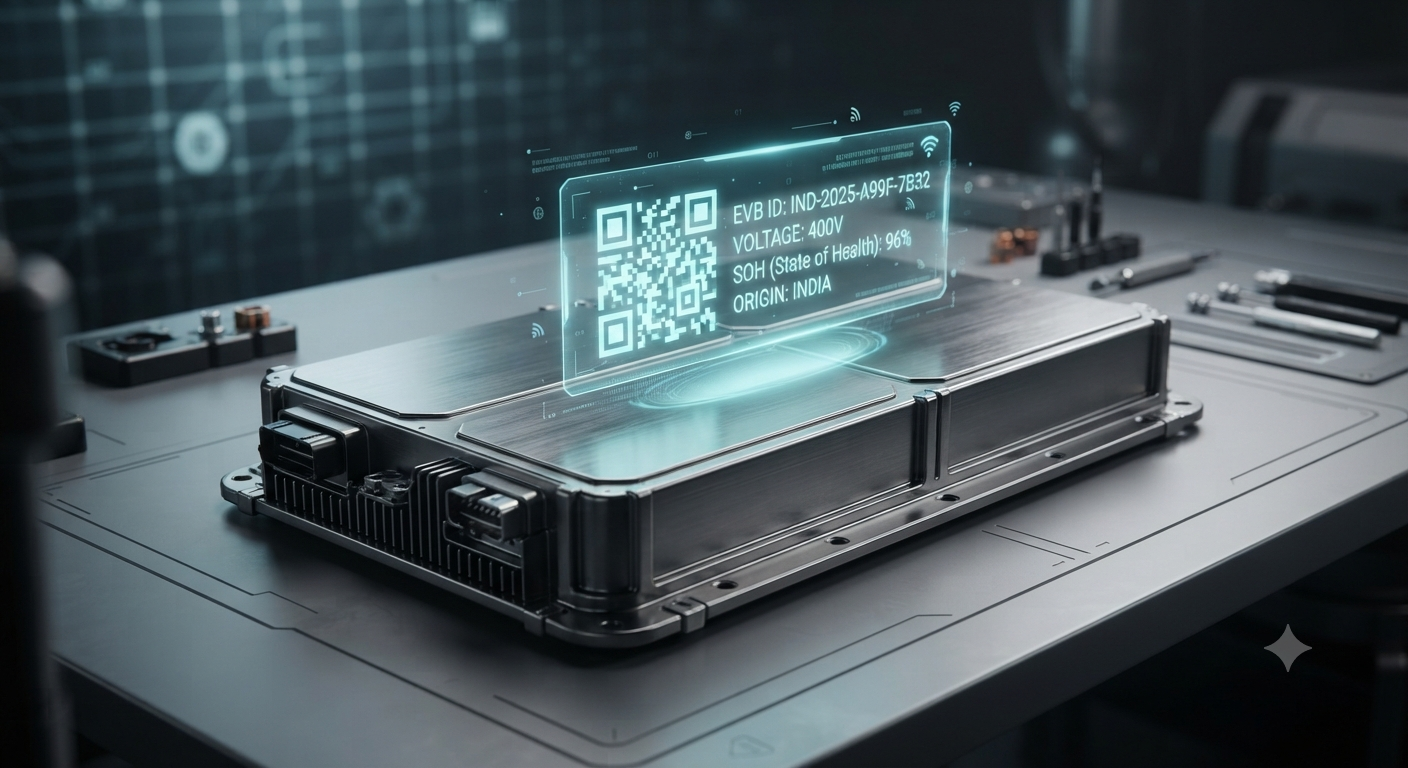
When you look at an electric vehicle, you see a sleek symbol of the future — a clean, silent alternative to the internal combustion engine. But hidden beneath that polished frame is its most complex, expensive, and often mysterious component: the lithium-ion battery. Accounting for nearly 40% of an EV’s total cost, these power cells are the black boxes of the automotive world. Where did the cobalt come from? How much lithium capacity is left? Is the battery actually safe, or is it a patchwork of old and new parts stitched together?
To bring this hidden identity into the light, the Indian government is rolling out a Battery Passport system — a bold move to make sure that as the country transitions to green energy, it doesn’t accidentally create a new environmental and safety crisis in the process.
Here are five surprising realities of how this passport will change the life of your EV.
1. An "Aadhaar" for Energy: The Rise of the Digital Identity
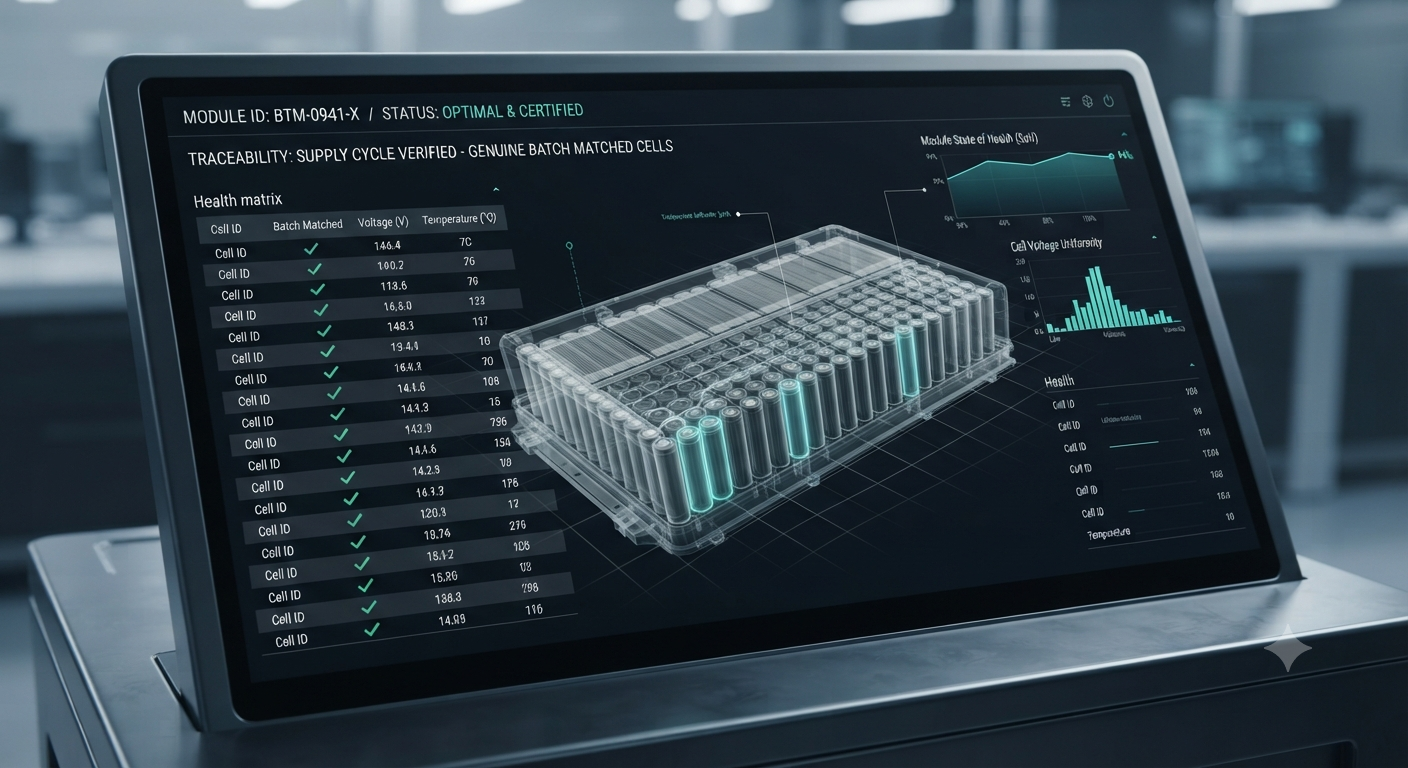
Think of the Battery Passport as a digital soul for every power cell. By March 2026, every battery placed on the Indian market must carry a unique ID embedded in a QR code. The system functions as an Aadhaar for energy, capturing a comprehensive data set that includes the battery’s origin, chemical composition, performance history, and full supply cycle.
This isn’t just record-keeping for its own sake — it’s a critical safety upgrade. In the current “wild west” of battery assembly, some manufacturers have been caught mixing cells of different vintages within the same module. Pairing older cells that are already nearing expiry with brand-new ones creates an uneven load, which can lead to performance drops or, in extreme cases, thermal runaway and fire. The passport ensures that every cell inside a module is a genuine batch-mate — manufactured in the same year, to the same standard.
As one framing puts it: a battery passport functions like an Aadhaar identity for the product itself, with every battery carrying a unique ID that surfaces all the information tied to it.
2. The "Black Mass" Hole: A Regulatory Cat-and-Mouse Game
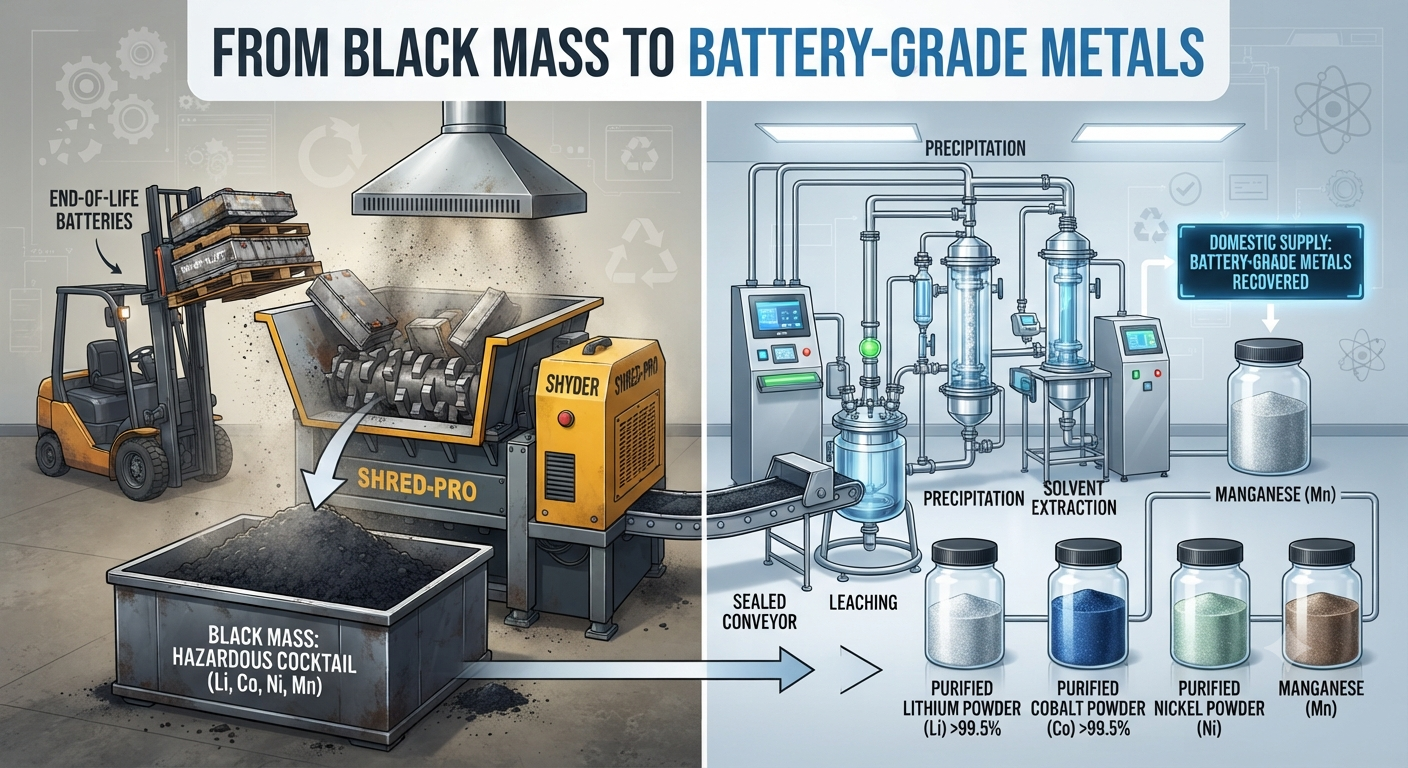
There’s a massive technical gap between shredding a battery and recycling it. Shredding is the easy part — it produces “black mass,” a hazardous, powdery cocktail of lithium, cobalt, and nickel. True recycling requires advanced refining to recover those materials as usable, battery-grade metals.
India currently faces what might be called a “black mass hole.” Shredding capacity is plentiful, but the advanced refining infrastructure needed to finish the job is still catching up — and that gap has turned into a strategic resource drain. In a sophisticated game of regulatory cat-and-mouse, many entities misclassify black mass as a “product” rather than hazardous waste to sidestep export restrictions, using incorrect Harmonized System (HS) codes — often declaring the material under a heading like CTH 28419000 instead of the correct 8549 code for waste — to ship this valuable “urban mine” of raw material overseas. The end result: India remains dependent on expensive mineral imports to feed its own gigafactories, even while its own recyclable material heads out the door.
3. The Pricing Paradox: Marketing Spend vs. Environmental Responsibility
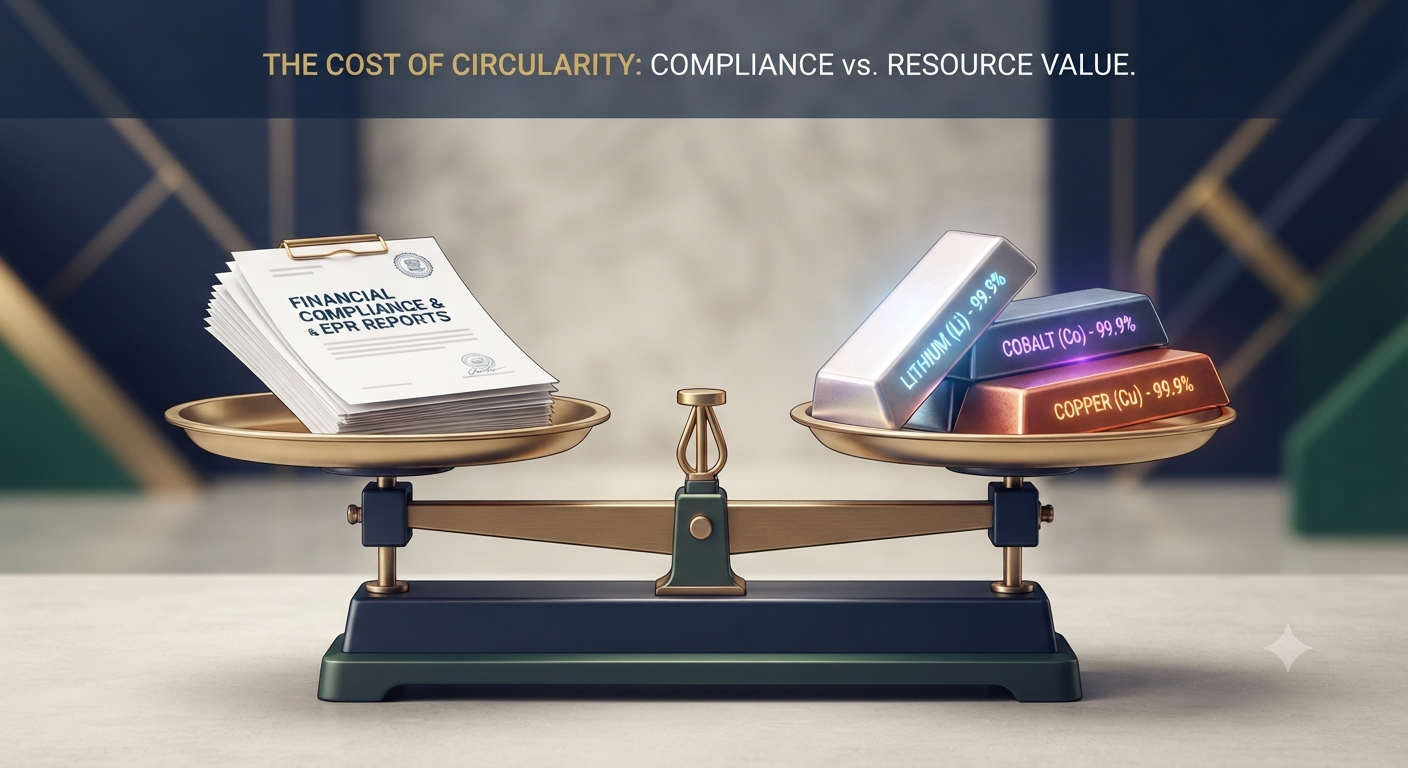
A major hurdle for India’s circular economy is how the Extended Producer Responsibility (EPR) framework is priced. Right now, the cost for an EV producer to comply with environmental regulations is shockingly low — estimated at just 0.16% to 0.3% of the battery’s cost. For comparison, the European model sets an environmental fee closer to 4%.
That low floor price risks encouraging paper compliance. In sectors like consumer electronics, producers have repeatedly shown a preference for diverting funds toward aggressive marketing rather than genuine environmental responsibility. When compliance costs less than a power bank, there’s little incentive to invest in high-yield refining. To counter this, the Central Pollution Control Board (CPCB) has linked EPR credit prices to the Environmental Compensation Charge (ECC), capping the trade price between 30% and 100% of the ECC so it actually reflects true recovery costs.
Derived EPR costs by metal (30%–100% of ECC):
| Metal | Cost Range (per kg) |
| Lithium | ₹720 – ₹2,400 |
| Cobalt / Nickel / Manganese | ₹166 – ₹555 |
| Copper | ₹81 – ₹270 |
| Aluminium / Iron | ₹36 – ₹120 |
4. Your Battery Isn't "Dead" at 70% Capacity
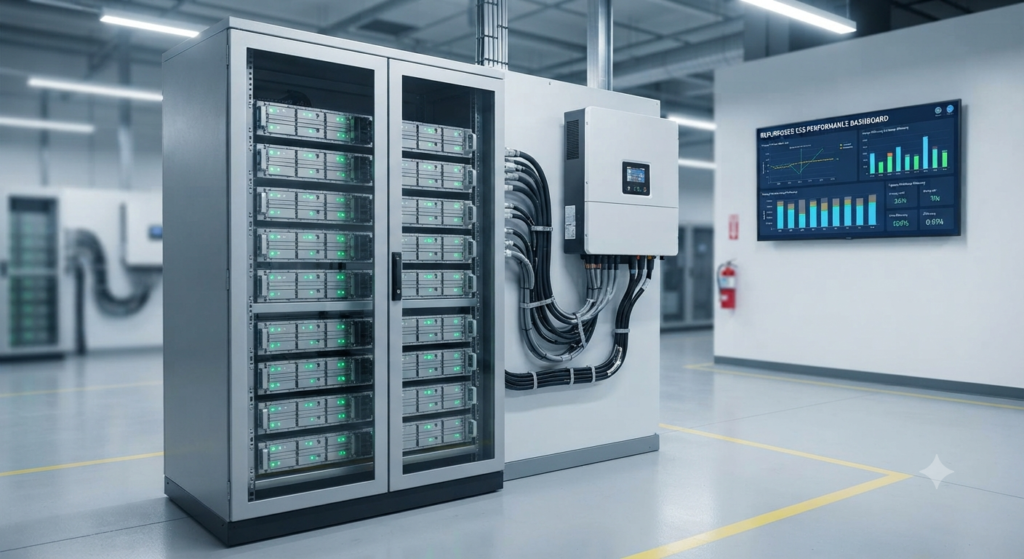
When an EV battery’s state of health (SoH) drops to 70–80%, it gets retired from the vehicle — but it’s far from exhausted. These batteries still hold significant energy, making them ideal for a “second life” in stationary storage: powering rural microgrids in Jharkhand, or solar charging hubs in Bangalore.
The problem is that the second-life economy is currently hampered by a lack of data. Without access to the original Battery Management System (BMS) data, refurbishers have to perform manual testing that takes four to five hours per pack. If manufacturers share anonymized BMS data through the Battery Passport, that diagnostic time drops to under an hour. That access to data is the actual difference between an economically viable refurbished pack — roughly 30% cheaper than new — and a pile of expensive, untested scrap.
White canes and guide dogs are proven, but limited — they can’t identify objects, read text, recognize a face, or explain what’s happening around someone in real time. Even most existing “smart” assistive devices just relay sensor data without actually reasoning about it.
Agentic AI changes that. Instead of just detecting “object nearby,” the system can understand context, learn a person’s habits over time, and proactively offer help — like noticing someone’s in the kitchen at breakfast time and suggesting what’s available to eat, without being asked.
5. The 2026 Compliance Cliff: Carrots, Sticks, and Targets
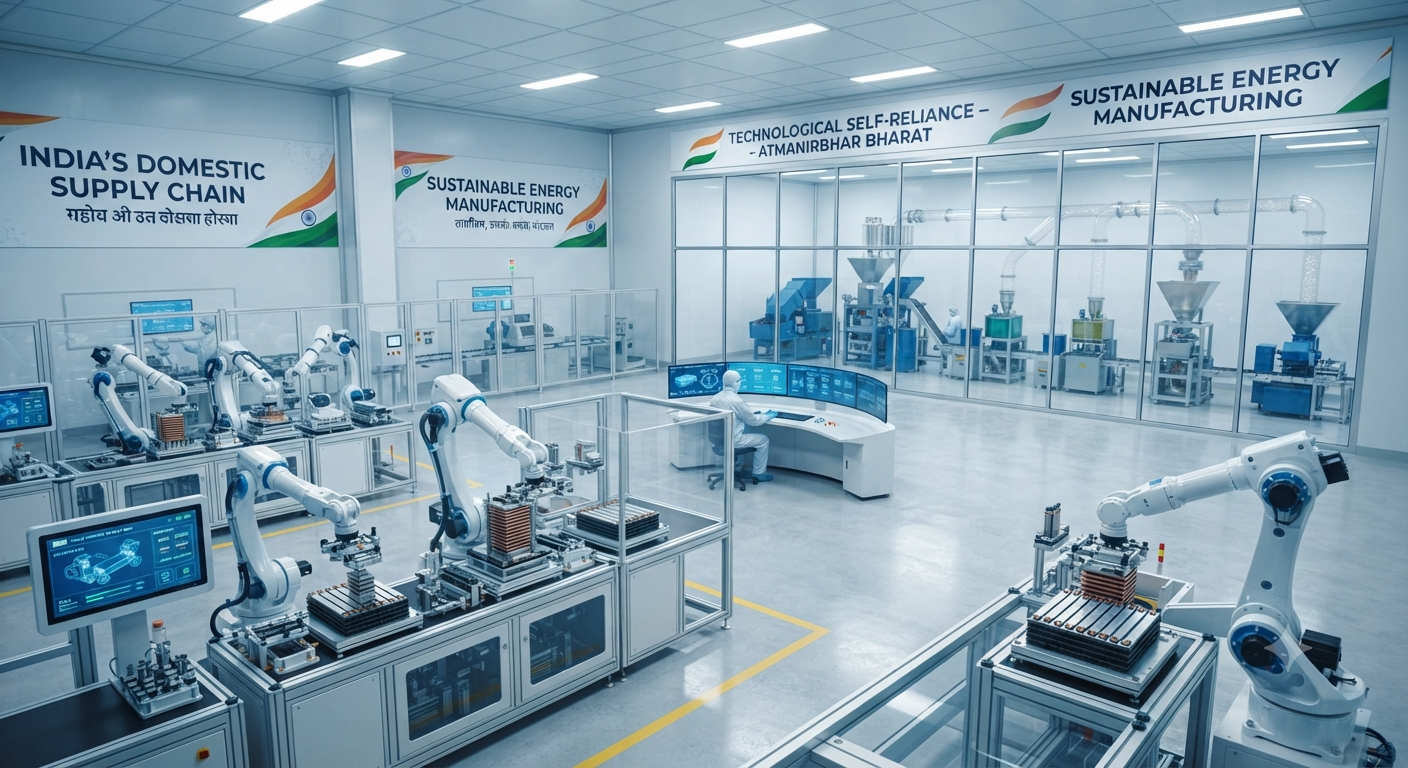
India is racing toward a 2026–27 “compliance cliff,” where the rules of the game change overnight. The mandate is clear: a 90% recovery rate for battery materials by 2026–27, and a mandatory minimum of 5% recycled content in new batteries starting in 2027–28.
To help industry climb that cliff, the government is pairing the stick of penalties with a genuine carrot. In September 2025, the Cabinet approved a ₹1,500 crore incentive program under the National Critical Mineral Mission (NCMM), specifically designed to promote advanced refining and build a domestic supply chain for the minerals currently being lost to the black mass hole. The shift forces manufacturers to stop viewing end-of-life batteries as a liability and start treating them as a strategic asset.
Conclusion: Powering the Future with Transparency
The introduction of the Battery Passport marks the end of the “waste” mindset. India is entering an era of urban mining, where the minerals for tomorrow’s car will come from the recycled heart of today’s. By closing export loopholes and standardizing data sharing, India has a real shot at ending its role as a feedstock provider for global recyclers and becoming a self-sufficient power hub instead.
The ultimate success of this transition depends on whether corporate India is ready to pivot from short-term marketing wins to long-term resource security — a strategy where companies align their decisions with market realities, understanding not just their own position, but the incentives of their suppliers and customers too.