

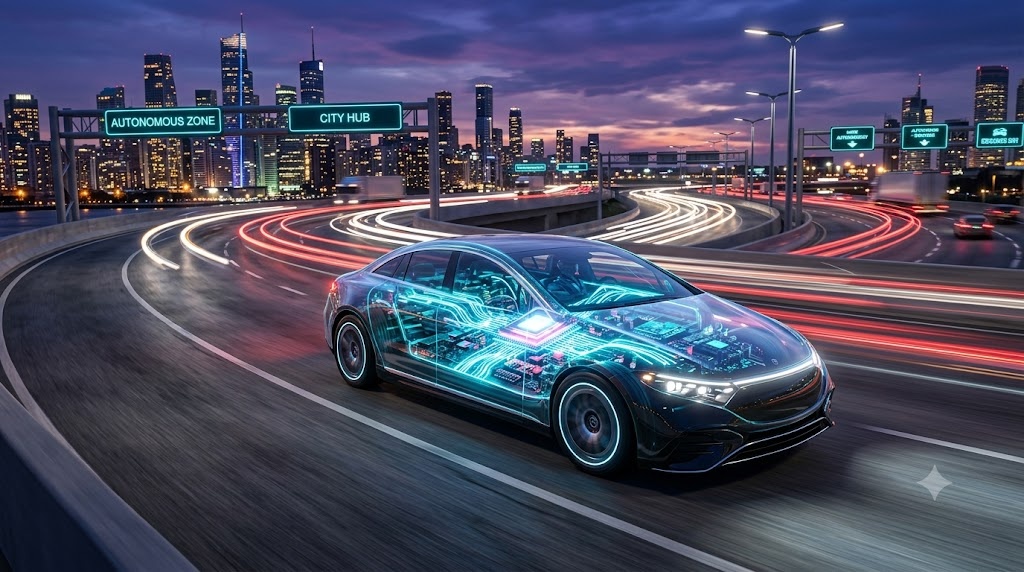
For over a century, the soul of an automobile was defined by mechanical excellence—the precision of its pistons, the rumble of its combustion, and the tactile feedback of a closed system. We are currently witnessing the end of that era. This is a high-wire act of engineering: we are transitioning from the 20th-century “black box” car into the Software-Defined Vehicle (SDV), an open, interconnected platform where software doesn’t just assist the driver—it is the driver.As cars become supercomputers on wheels, the attack surface has expanded exponentially. We have traded isolated mechanics for a sprawling digital ecosystem, making cybersecurity the new front line of physical safety. In this architectural evolution, a line of compromised code is as dangerous as a snapped axle. To build the future, we must treat digital protection with the same unwavering reliability we once demanded of the steel chassis.
The "Bio-Inspired" Brain: Why Your Car Needs a Nervous System
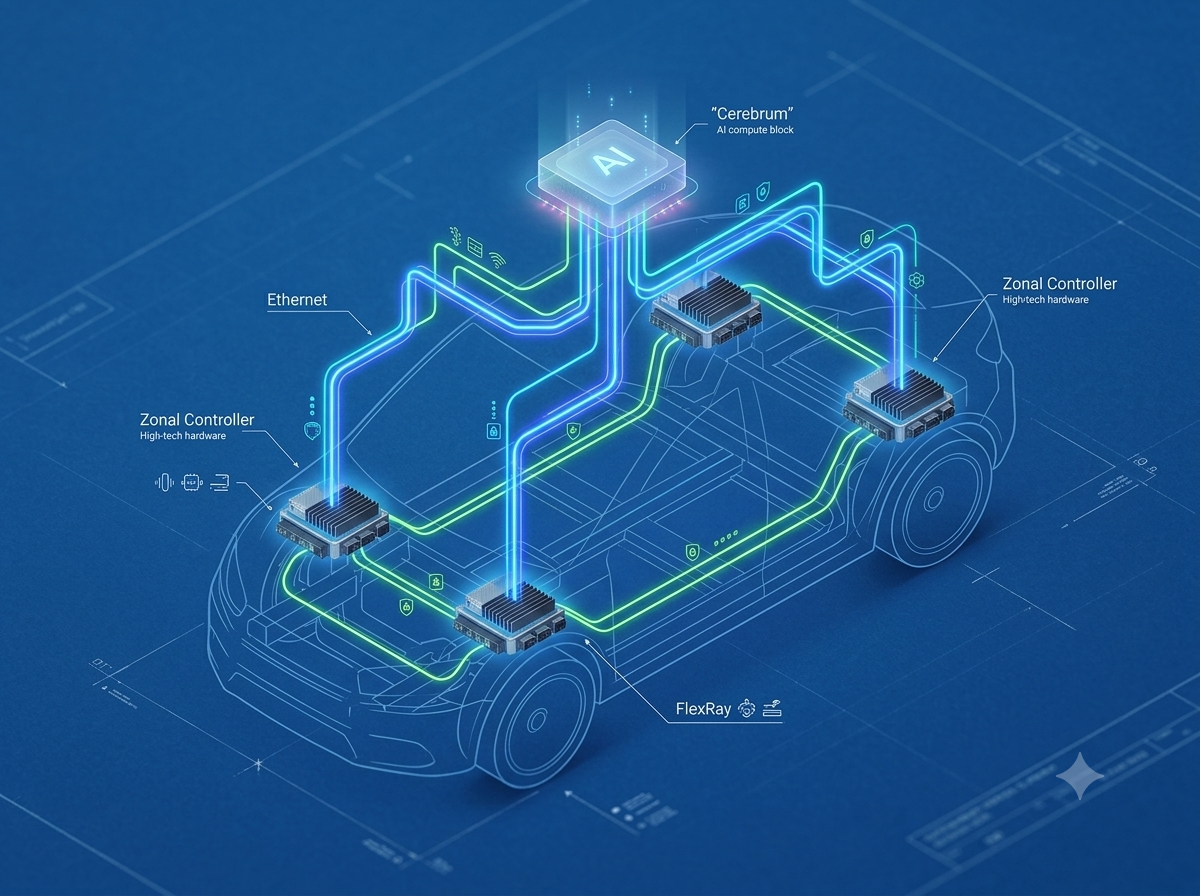
The UNICARagil project represents a radical departure from the chaotic complexity of traditional electronics. Modern cars often suffer from “feature creep,” with 150+ scattered Electronic Control Units (ECUs) creating a maintenance nightmare. The future belongs to Zonal E/E Architecture , which organizes a car’s intelligence into a hierarchical structure inspired by the human nervous system:
The Cerebrum: The high-level logical center responsible for environment modeling, behavior planning, and trajectory calculations.
The Brainstem: The fail-operational core powered by the Zynq Ultrascale+ ZU3EG . It manages trajectory control and maintains an “emergency trajectory” ready for instant activation.
The Spinal Cord: Comprised of Dynamic Modules built on the Infineon Aurix Tricore TC27 . These handle the “reflexive” wheel actuation, translating data into physical movement.The Reflexive Advantage By consolidating intelligence into fewer, high-performance zones, we eliminate miles of heavy wire harnesses. More importantly, this architecture is designed for survival. The Spinal Cord utilizes a dedicated FlexRay fallback network . If the primary Ethernet ring fails or the central “brain” is compromised, the spinal cord executes a reflexive safe-halt maneuver independently, ensuring the vehicle remains a protector, even when its higher functions are down.
Security is the New Seatbelt: No Safety Without Cyber-Protection
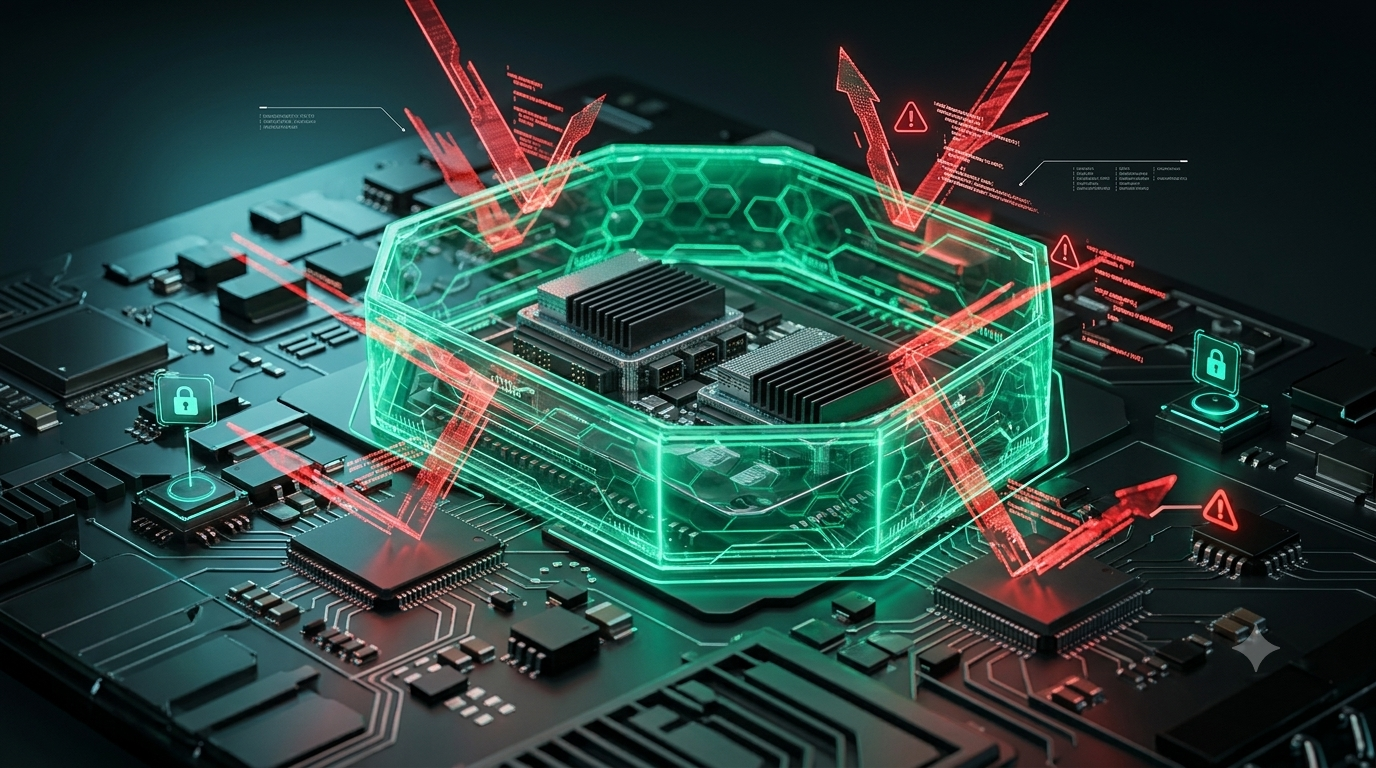
The automotive industry reached a terminal wake-up call in 2015 when researchers remotely hijacked a Jeep Cherokee, manipulating its steering and brakes through a vulnerability in the infotainment system. This proved that “security by obscurity”—the hope that proprietary systems are safe simply because they are hidden—is officially dead.Today, we treat security as a mandatory prerequisite for safety. Architects are now adopting the ISA-62443 standard, which replaces obscurity with a hierarchical, collaborative threat identification process. By organizing the vehicle into “Zones and Conduits,” we can isolate critical functions and ensure that a breach in a non-critical area cannot easily migrate to the drivetrain.”According to the 2016 KPMG Loss Barometer , 72% of consumers would hesitate to purchase from a vehicle brand that had experienced a cyberattack, while 10% would refrain from buying from an affected brand entirely.”
The Legacy Paradox: Why We Can’t Just Quit the "Old" Tech
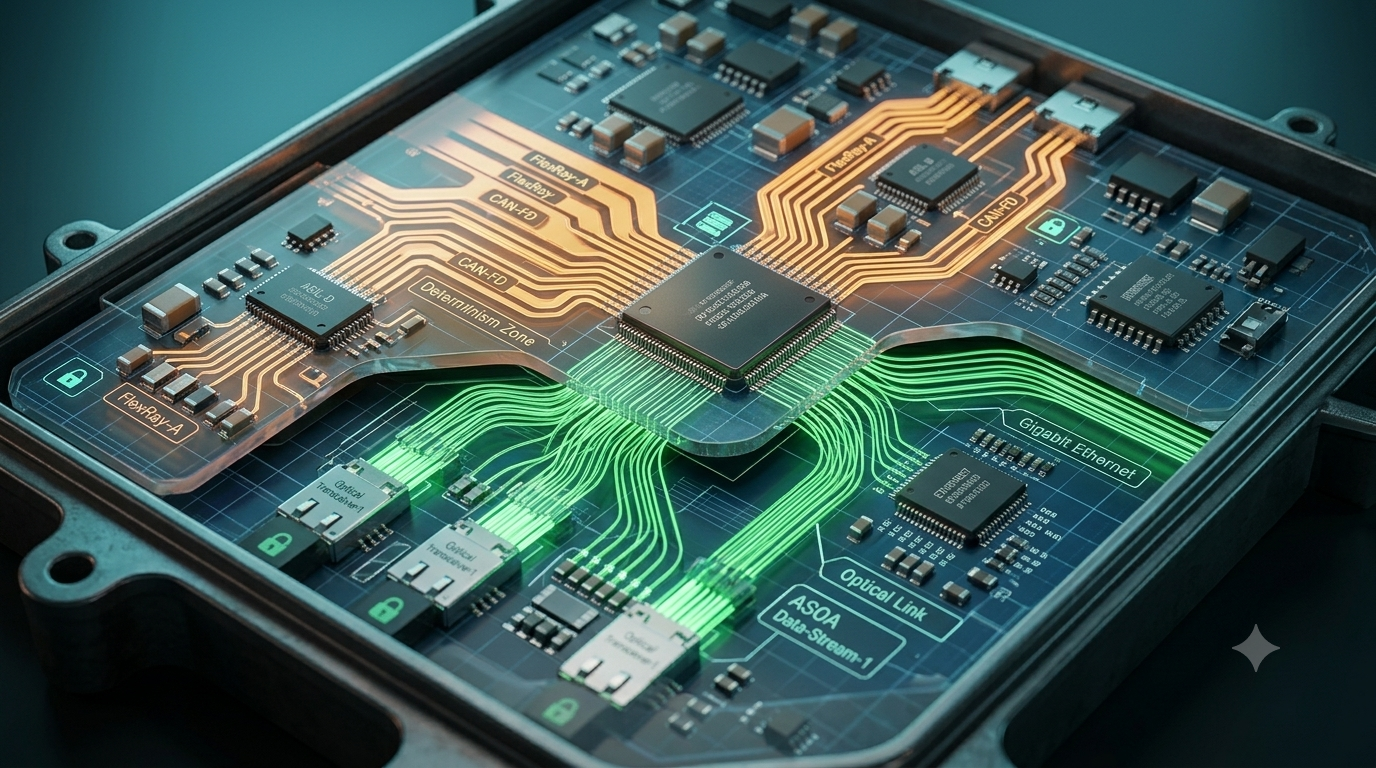
It is tempting to think an autonomous future will run entirely on high-speed Ethernet, but the reality is a complex co-existence. We face a “Legacy Paradox”: while we need Gigabit Ethernet (Automotive Service-Oriented Architecture, or ASOA) to handle massive Lidar and camera data, we still cling to CAN and FlexRay for the most critical tasks.
Signal-Based Communication (The Old Guard): Protocols like CAN and FlexRay remain indispensable because they are deterministic and safety-proven . When an airbag needs to deploy or a brake needs to engage, “ASIL-D” safety requirements demand the guaranteed timing that these legacy systems provide.
Service-Oriented Architecture (The Future): ASOA allows software modules to dynamically “find” each other and exchange large data packets, much like apps on a smartphone, providing the flexibility needed for Level 4 automation.The true genius of modern automotive architecture isn’t just in the new; it’s in the seamless integration of these two worlds, ensuring cutting-edge software can talk to safety-proven hardware without creating new vulnerabilities.
The Marsupial Connection: Robotics for the Long Haul
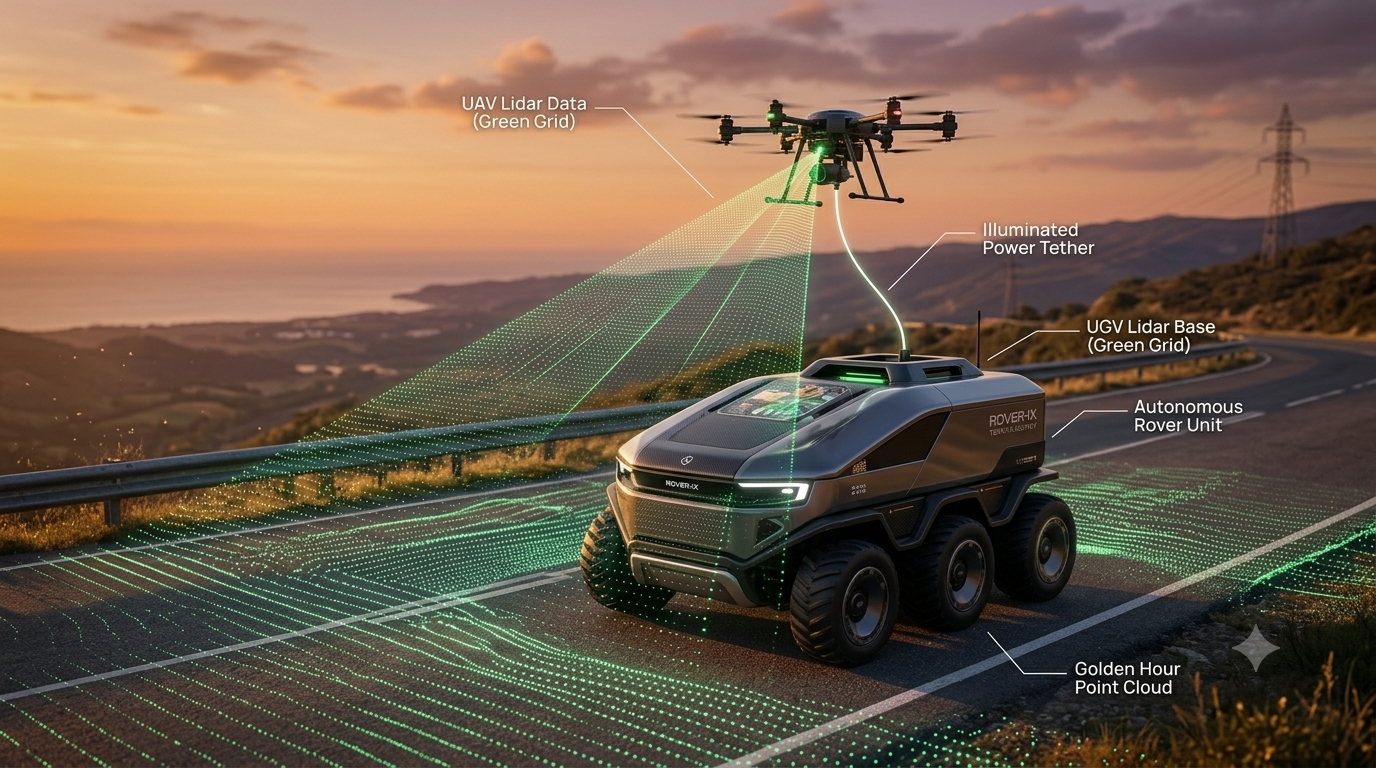
One of the most surprising takeaways from recent research is the Tethered UAV-UGV Marsupial System . While drones (UAVs) are perfect for aerial inspection, they are held back by short battery lives. The solution is a “marsupial” relationship where the ground vehicle (UGV) acts as a mobile docking station .By connecting the drone to the car via a power tether, we solve the energy problem for long-duration missions. This isn’t just a drone on a string; it’s a coordinated dance enabled by Direct LiDAR Localization (DLL) and the Robot Operating System (ROS) . The system was validated through three primary experiments:
Flight Endurance: Estimating operational duration via the tethered power supply.
Localization: Ensuring both units track each other perfectly in GNSS-denied environments.
Inspection: Demonstrating autonomous, long-duration tasks without human intervention.
Faster Than a Reflex: Defending at the Speed of Light
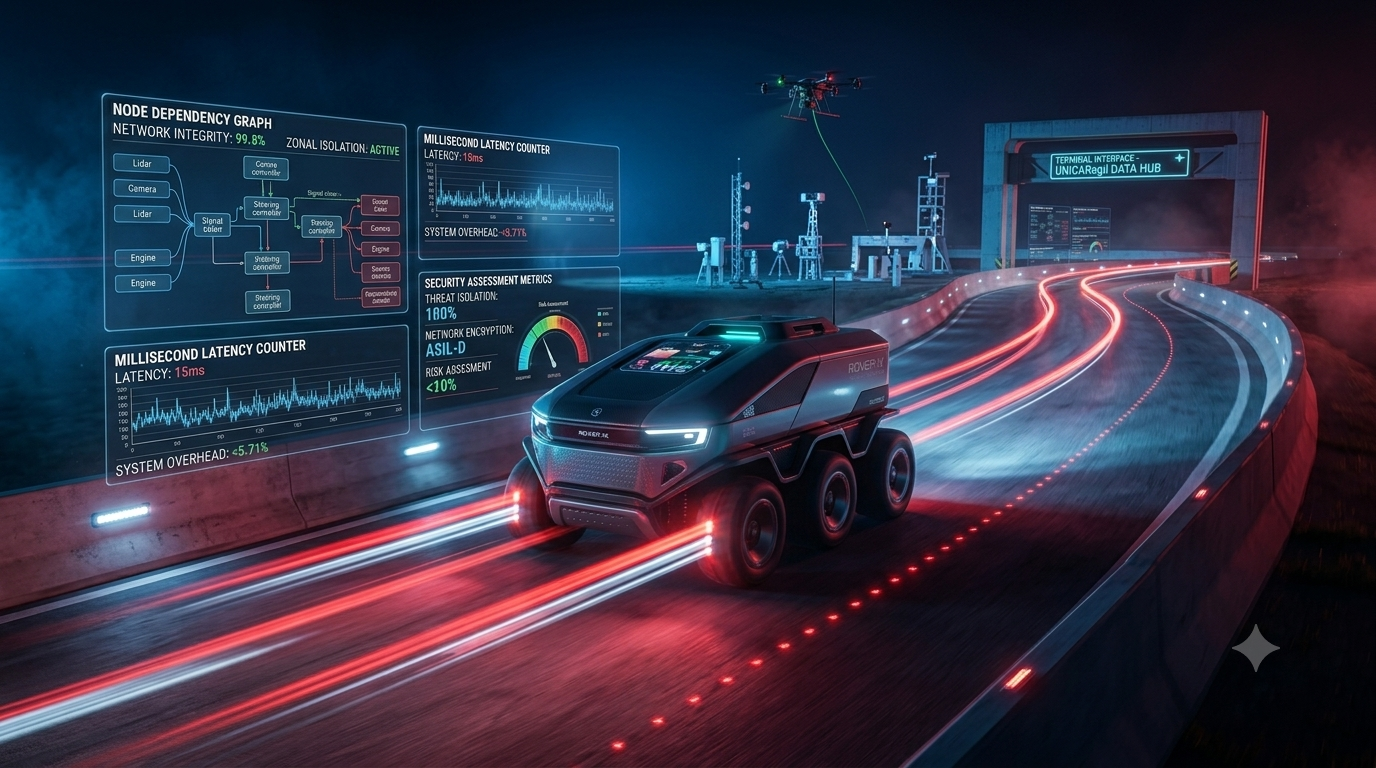
When a vehicle is moving at highway speeds, a human cannot react to a digital intrusion. Future SDVs require an “incident assessment scheme” that models Attack Paths —a graph representing dependencies among internal vehicle assets. This allows the system to predict how a breach in a seemingly harmless component, like the HMI (Human-Machine Interface) or infotainment screen, could propagate through software dependencies to reach the brakes.Performance Without Compromise The industry’s greatest fear was that heavy security layers would cripple real-time performance. However, extensive testing across the four UNICARagil prototypes—the autoElf, autoTaxi, autoShuttle, and autoCargo —has proven otherwise.
Key Metric: Average runtime overhead is only 5.71% .
Key Metric: Incident detection and assessment operate below human reaction time .This confirms that we can achieve a “real-world ready” security layer that protects the vehicle without sacrificing the millisecond-precision required for safe autonomy.
Conclusion: The Road Ahead
We are navigating the greatest structural transformation in the history of transport. As we move from mechanical devices to software-driven ecosystems, a vehicle’s value is no longer measured in horsepower, but in the integrity of its code. We are building a world where the car is not just a tool, but a sentient, self-defending node in a global network.As we look toward this automated horizon, we must answer one final question: When the driver is a line of code, who do we trust to hold the keys to the kingdom?